Cabinets of Curiosities
Exeter’s vast and distinctive specimen collections spark active learning and exploration
By Jennifer Wagner
Photography by Christian Harrison
Fall 2025
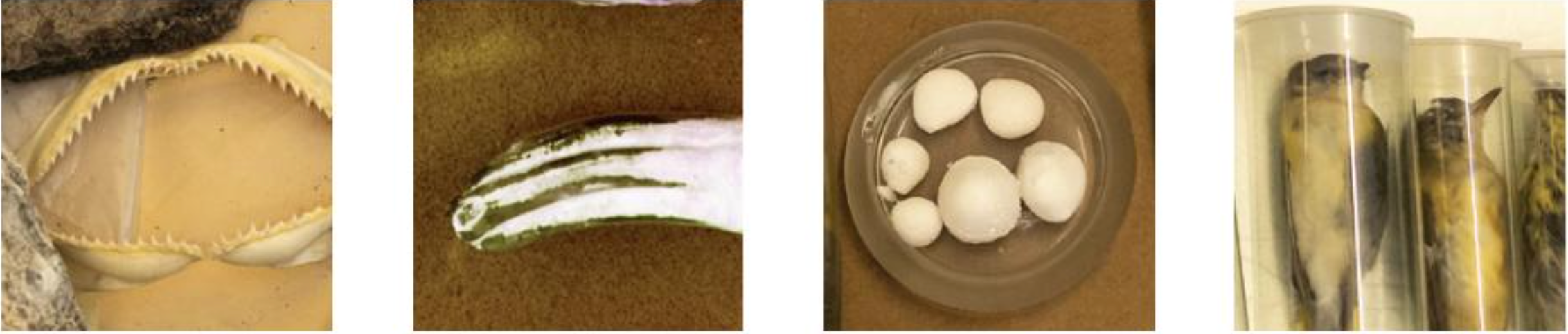
A towering taxidermy tiger. Brain matter suspended in acrylic. A fossil more than 140 million years old. These are just a few of the treasures tucked away in drawers, shelves and cabinets in the Phelps Science Center. Handled by students across disciplines, the specimens — including skins, skeletons, fluid-preserved animals, pressed plants and rocks — are a funda-mental component of science research and instruction at Exeter.
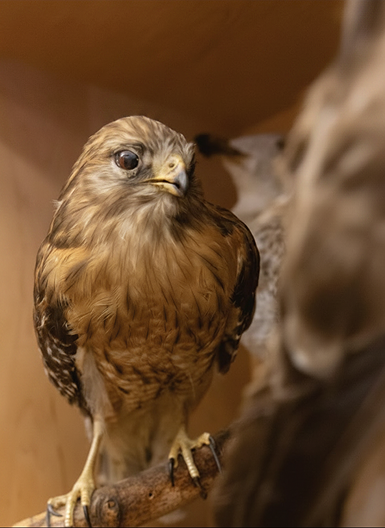
“It is kind of unique to have some-thing like this accessible at a high school level,” Science Instructor Chris Matlack says of Exeter’s bird skin collection. “The kids are getting classes here using collections that, frankly, they’d have to wait for a particular university to see.”
Instructors say the collections are invaluable as they help students grasp the scientific method, connect abstract concepts to real-world examples and spark curiosity.
“Natural history collections are what got me excited about biology growing up just a few blocks from the American Museum of Natural History in New York City,” says Scott Edwards ’81, professor of organismic and evolutionary biology at Harvard and curator in ornithology at the university’s Museum of Comparative Zoology, which holds approximately 21 million animal specimens.
“The fact that Exeter had a specimen collection was really important to me.”
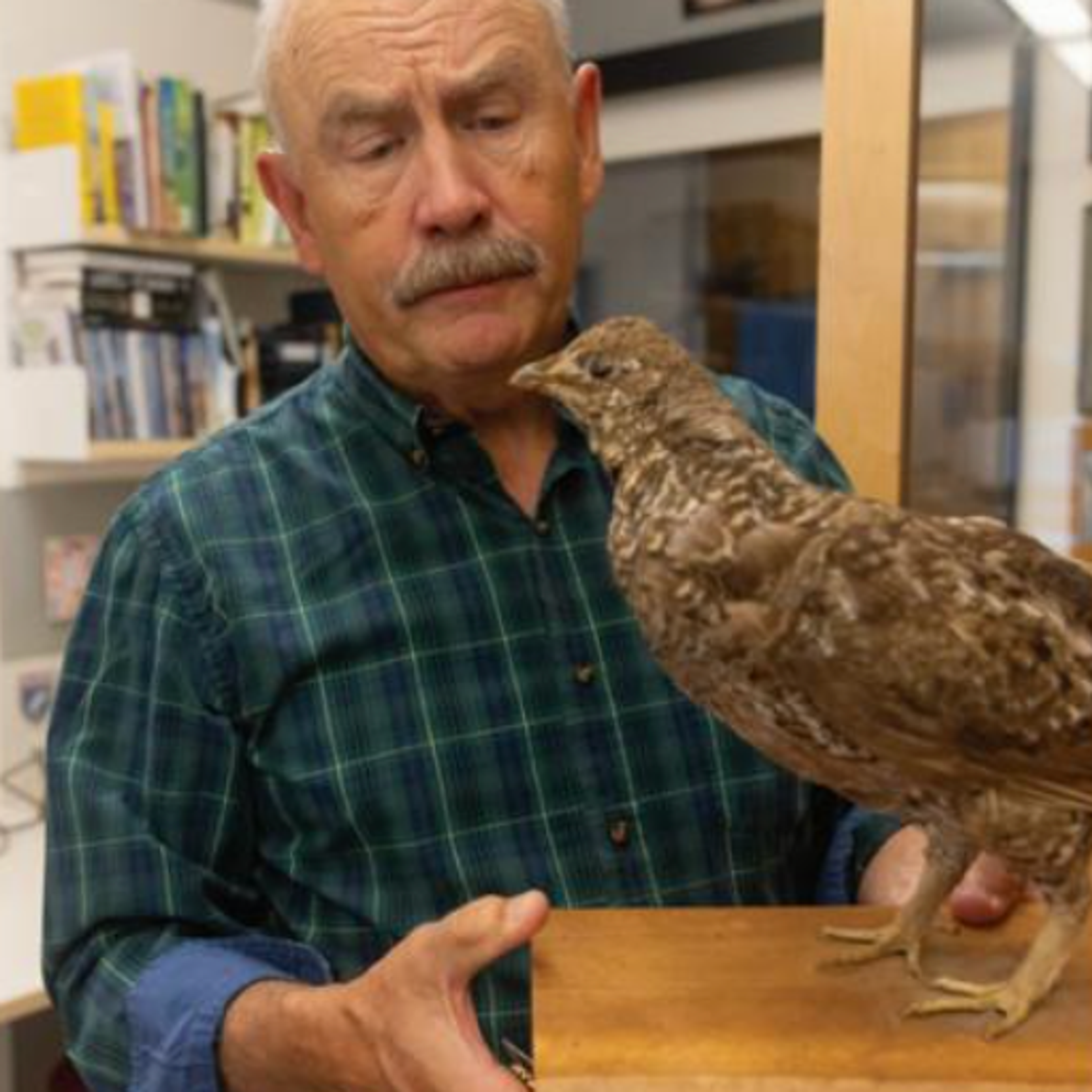
Edwards has seen the positive influence the collections can have with his own students. “They love handling the birds and being able to look at them closely,” he says. “Because that’s what you need to do to really understand a spe-cies. You need to be able to look at the details of the feather morphology, how the feathers line up along the wing margin, the precise shape of the head and bill, the webbing on the feet. It’s these details that make natural history collections important for students.”
Even in the digital age, specimen collections remain just as vital today as they were when biologists began preserving them more than 200 years ago — perhaps even more so.
“Specimens provide really important windows into how species have been affected by humans, including climate change and environmental pollutants,” Edwards says. “Using specimens, we can see what chemicals an individual has encountered, and we can actually go back in time to when the specimen was collected and compare those individuals with individuals today to look for trends.”
Here’s a look at a few of the Academy Science Department’s extensive preserved specimen collections, including what they are, and how they are used in class.
Bird Study Skin Collection
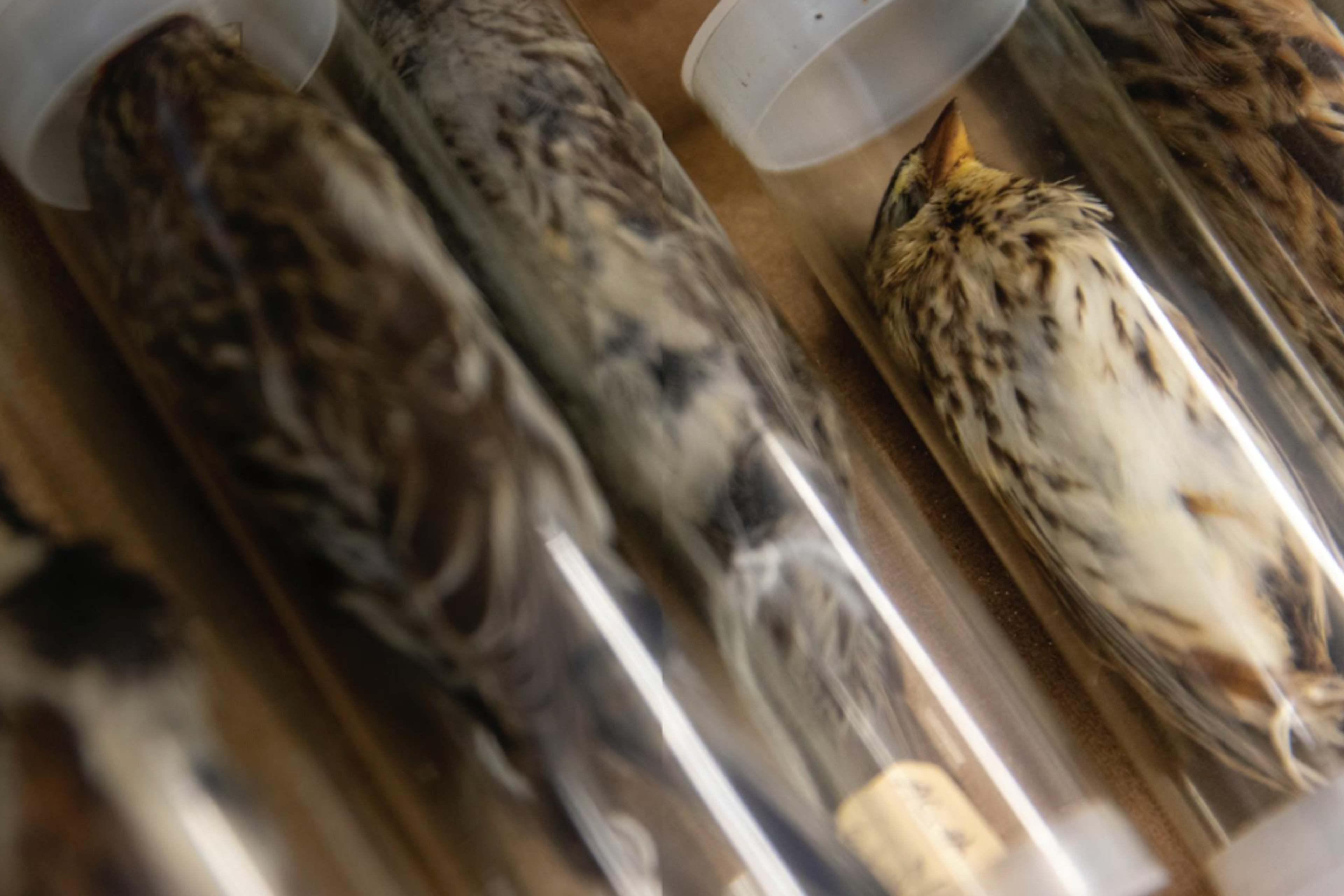
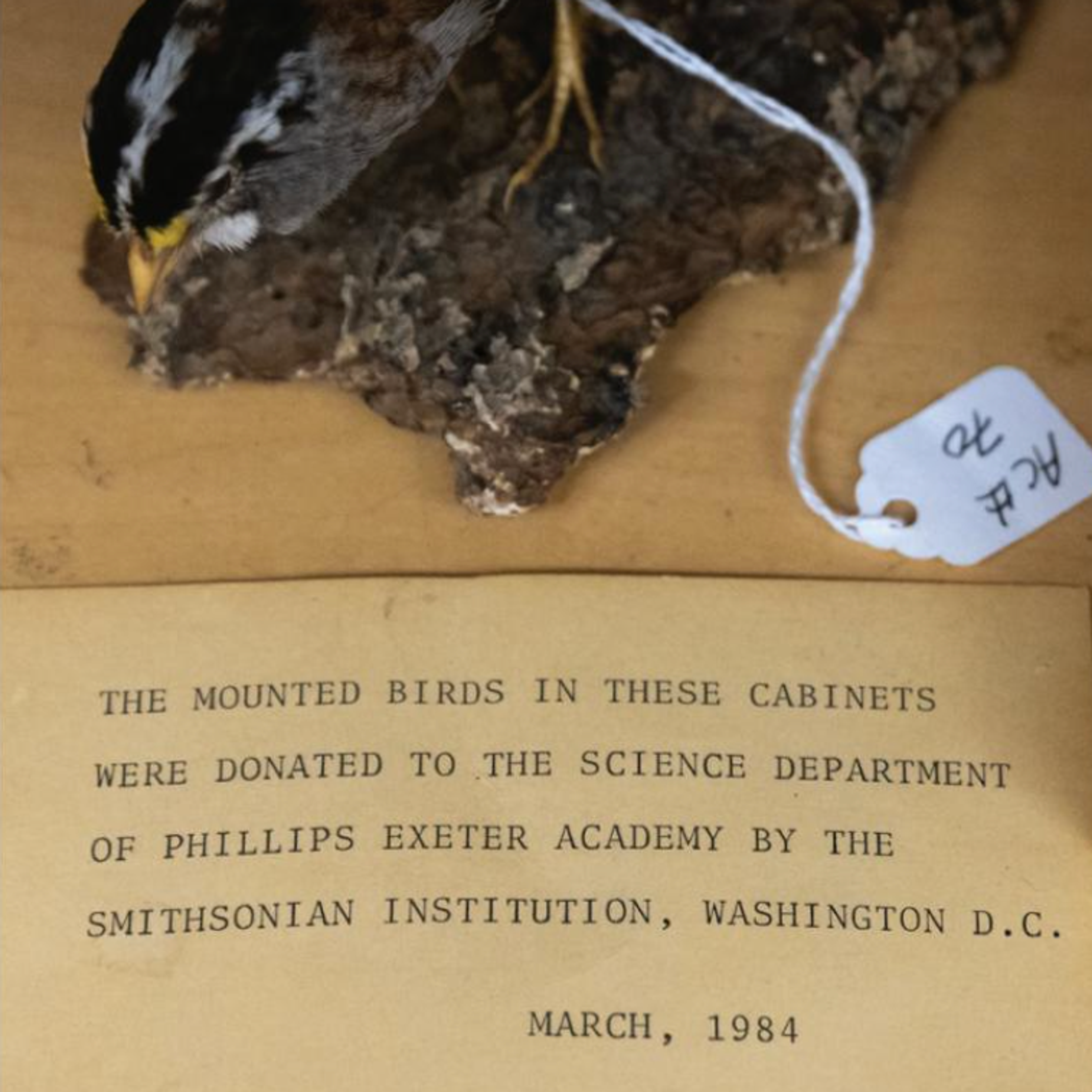
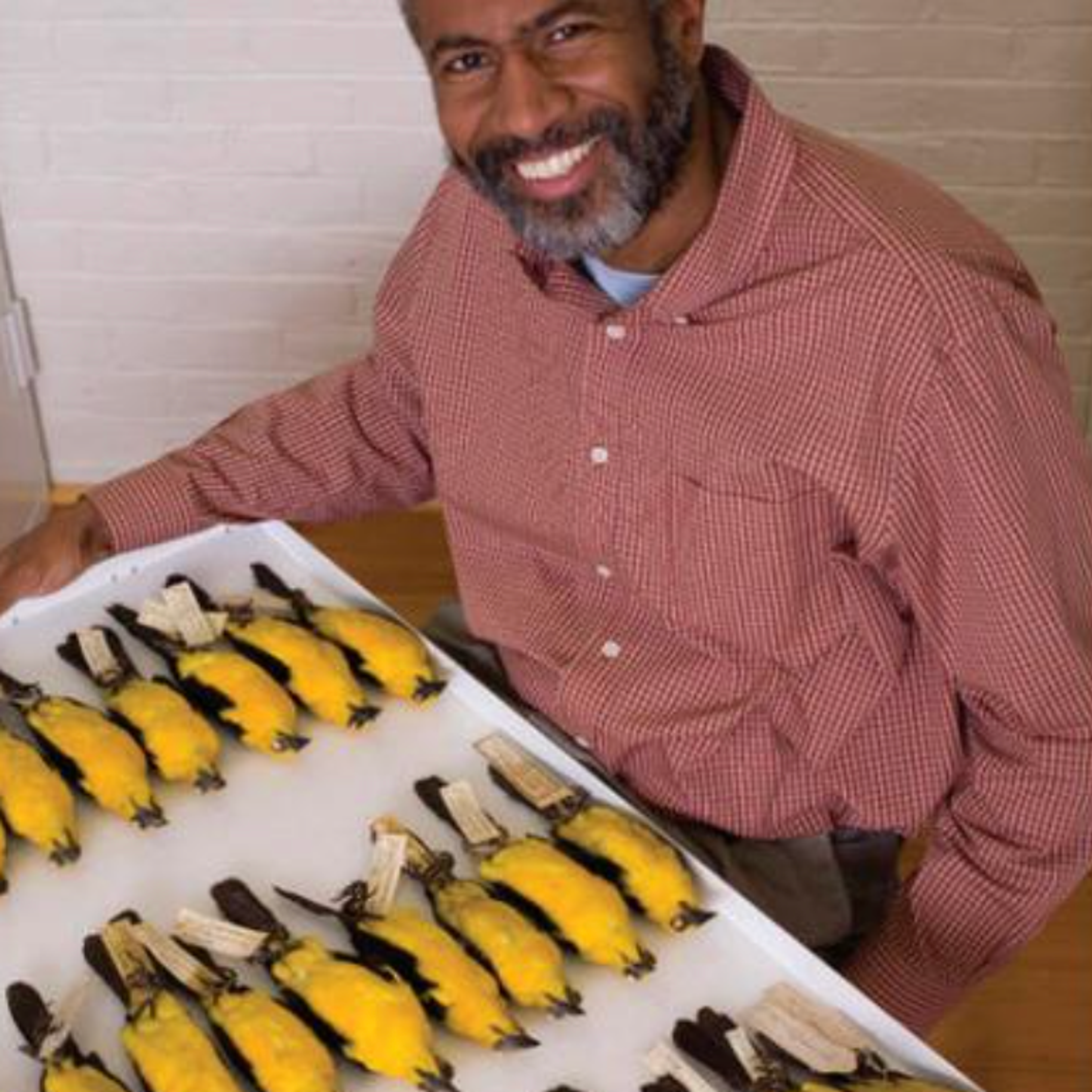
Exeter’s bird study skin collection resides in a large metal cabinet about three feet tall stacked with eight rows of wooden drawers. Inside are 120 specimens — all native to New Hampshire — including Blackburnian warblers, woodpeckers, hummingbirds, cedar waxwings, scar-let tanagers and woodcocks. Many were donated by the Smithsonian and the University of New Hampshire. As those institutions updated their holdings, older specimens were gifted to the Academy, which holds a federal and state salvage permit allowing the legal possession of deceased wildlife.
“These collections are a big part of how we teach here,” Matlack says. “They are critical to the learning that goes on.” He uses the bird study skin collection to teach his ornithology, biology and marine biology classes. “When we have a bird lab for all the bio kids,” he says, “they have a list. And I have an old dining hall tray. I put birds on there, and they have to respond to different questions, like, ‘Looking at the beak, what does it mean?’ Thing is, birds are always in motion. So to see them like this, you really can study them.”
For students who may be squeamish? Matlack, a fan of puns, says, it’s OK, just “don’t grouse about it.”
Fossil Collection
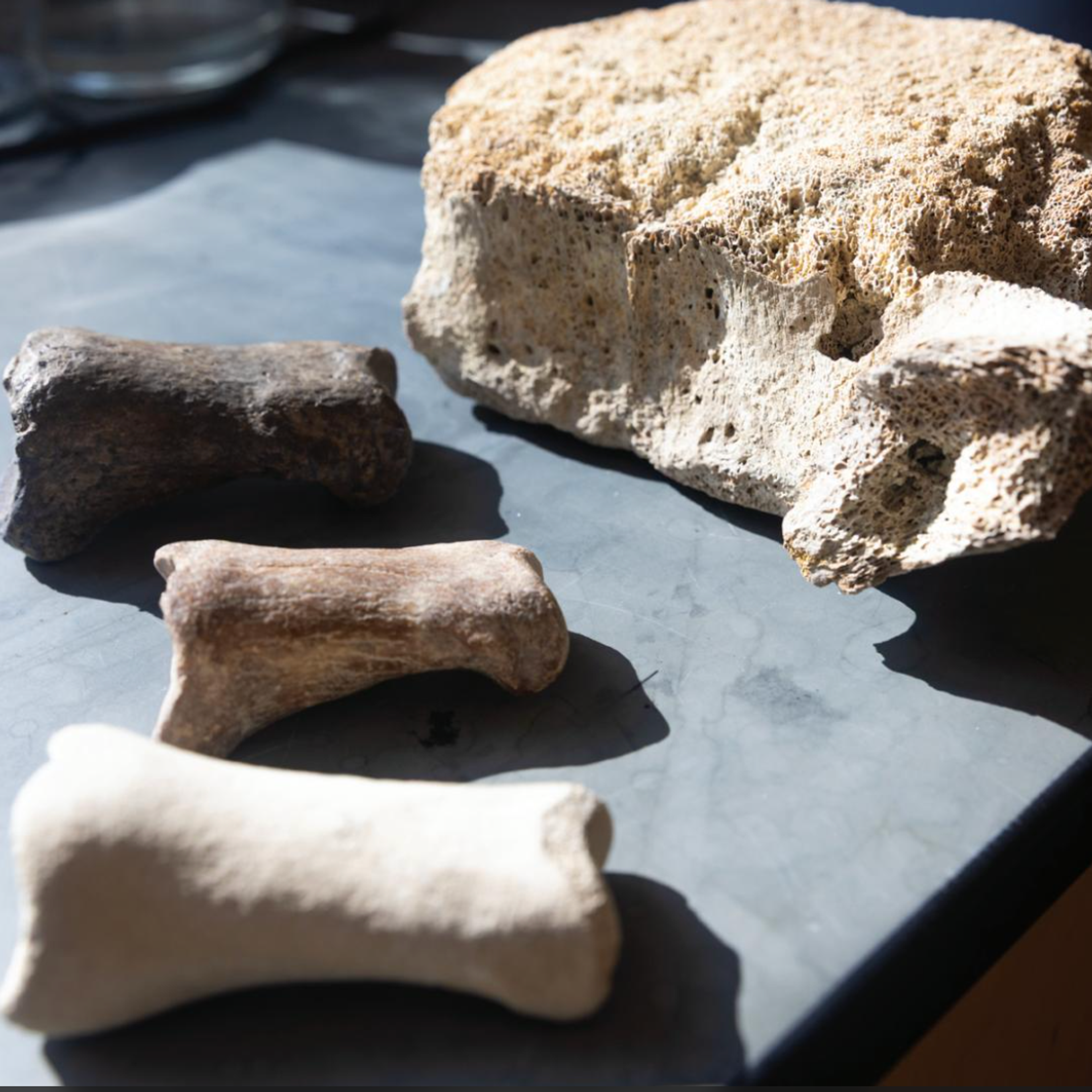
The Academy’s fossil collection, combined with the personal collection of Science Instructor Townley Chisholm, includes dozens of skulls, bones, fish and plant fossils. There’s a gingko leaf from Wyoming that dates back 60 million years and a plaster copy of the classic Archaeopteryx fossil from the Jurassic period, discovered in a southern German mine in 1861 and dating back 150 million years.
Chisholm’s favorites are the Pleistocene megafauna, large mammals that lived from 2.5 million years ago to about 12,000 years ago.
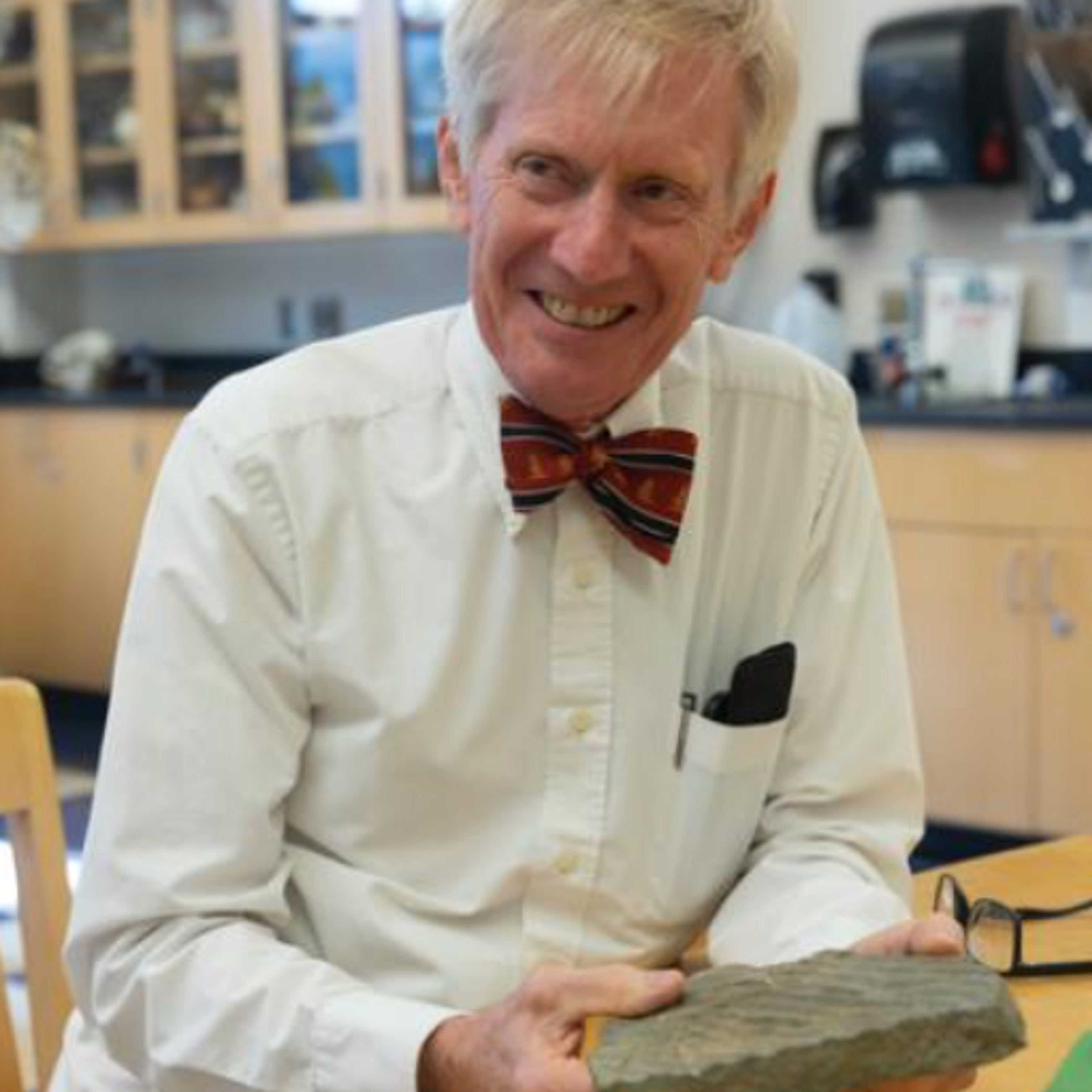
“A Glyptodon is an animal about the size of a Volkswagen that had these lit-tle bony plates in its hide to form an armor,” Chisholm says, holding a piece of the armor he found in the Peace River in Florida. “You find something like that and you say, ‘Oh, yeah, that’s got to be a Glyptodon fossil — nothing else looks like that.’ That’s a great thing about all these fossils: They’re such wonderful things for students to hold and look at.”
They’re also especially helpful in teaching evolution.
“Evolution doesn’t invent new things all that often,” Chisholm says. “It’s typi-cally just sort of re-engineering — making something slightly bigger, slightly smaller. Bringing out these bone fossils from different ages and showing them to students, and having them hold them, they can start to see the differences.”
Other fossils reveal the difference between time periods.
“You start thinking about how things change across geographic space and through geological time, which is always good to think about because it expands your thinking,” Chisholm says. “It’s helpful to show students something like this piece of quartzite from 560 million years ago. When you look at it, it’s just a sandy seafloor, and about the only animal life living in it was worms.
“Contrast that with this fossil from about 60 million years later — it’s solid shells, animals all over the place. That shows you the difference, before and after the Cambrian explosion.”
Other Specimen Studies
Big Cats
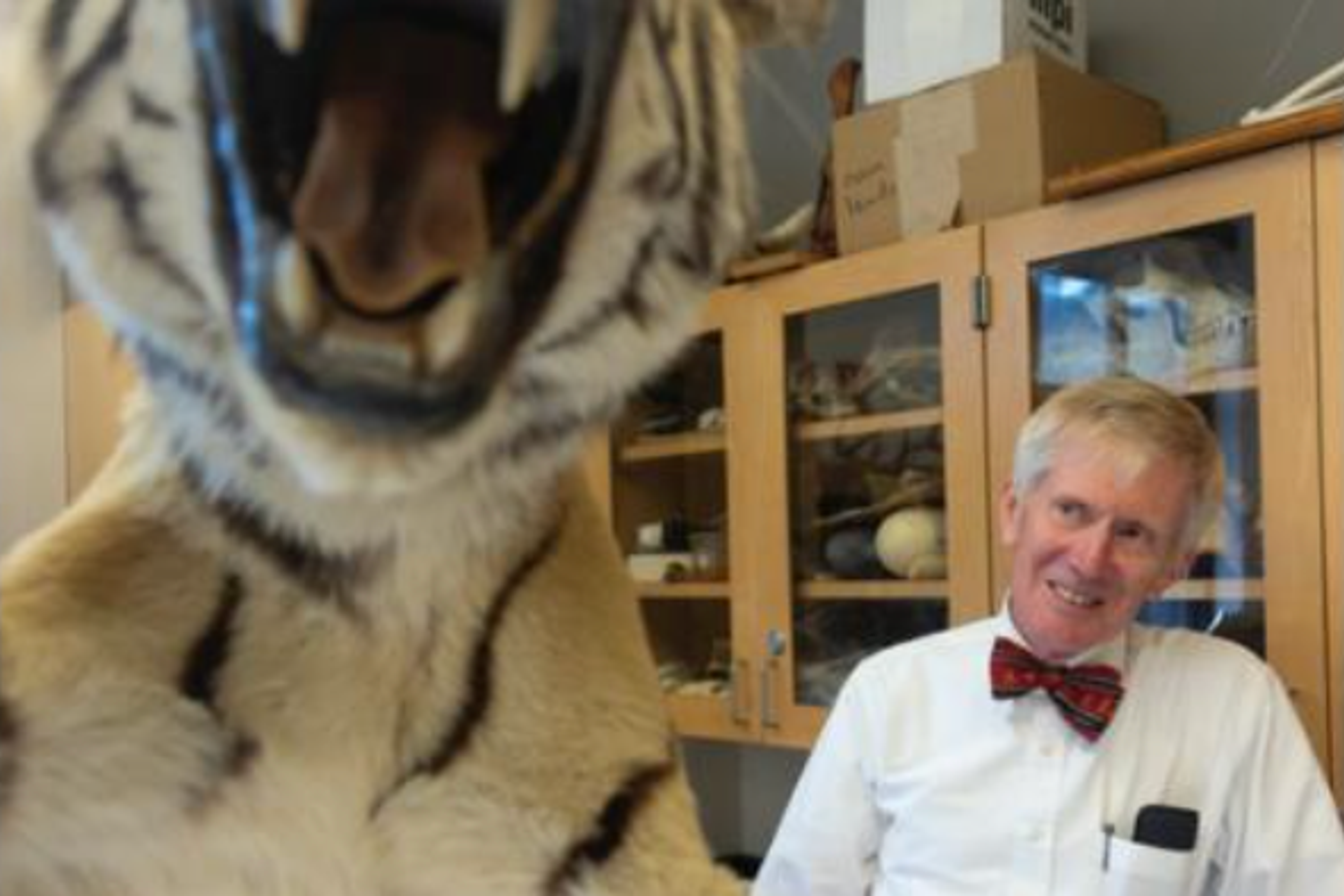
A museum in South Boston donated two taxidermied tigers, a lion, a black panther, a jaguar and a leopard skin — all of which are housed in the Science Center.
Human Brain Specimen
A sagittal-sectioned human brain — real and preserved — is used to teach neuroanatomy.
“This is a fantastic way to teach neuroanatomy and brain anatomy because you can see the meninges, the membranes on the outside, the gray matter, and then the white matter — the browner stuff,” Chisholm says.
Coral and Shell Collection
Used in marine biology and diversity classes, the school’s coral and shell collection is a unique and valuable reference.
“It’s just great to be able to pull out a whole bunch of examples of coral and then relate that to the living organism that students can see in the tank downstairs,” Science Instructor Sydnee Goddard says.
Fluid-Preserved Animal Collection
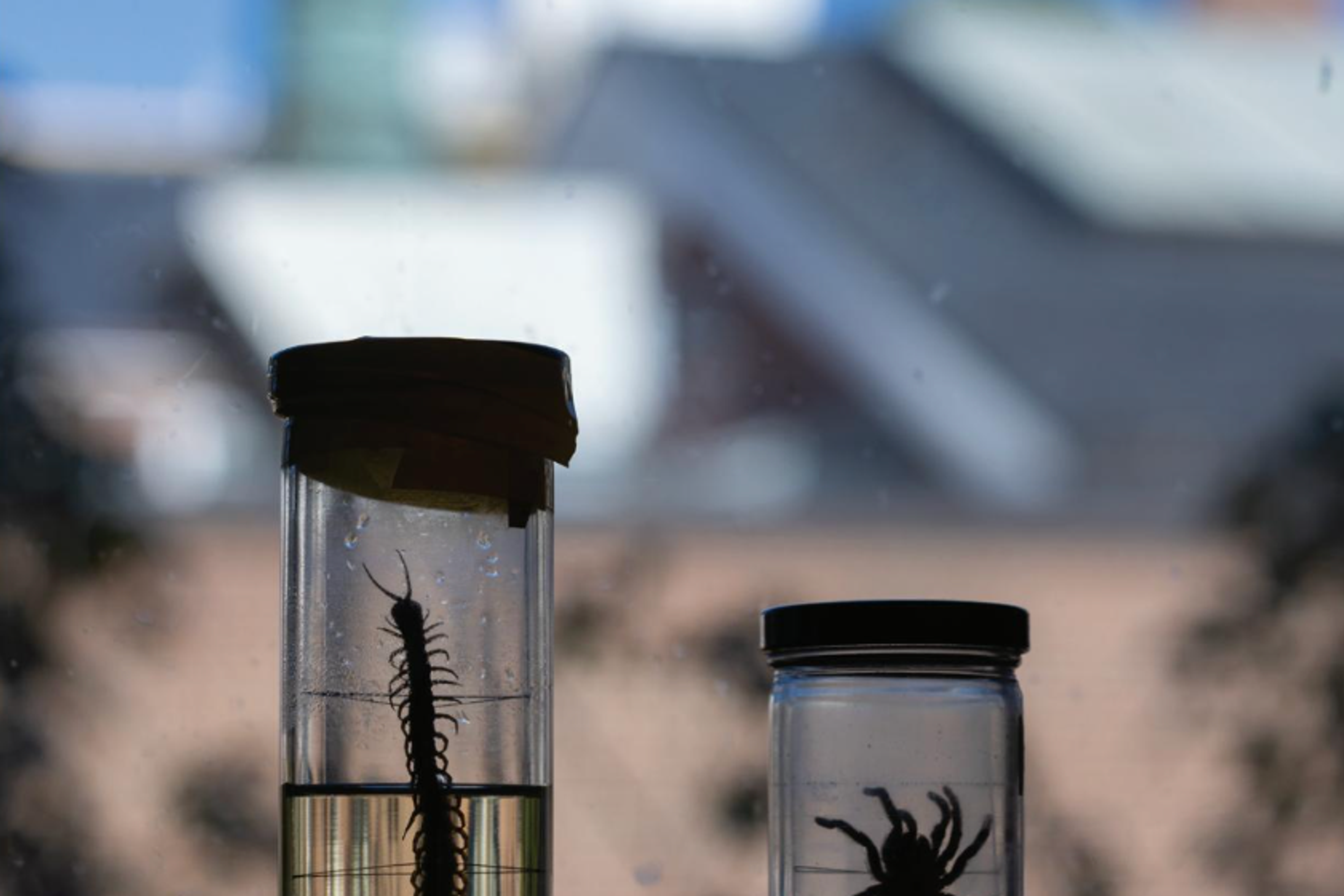
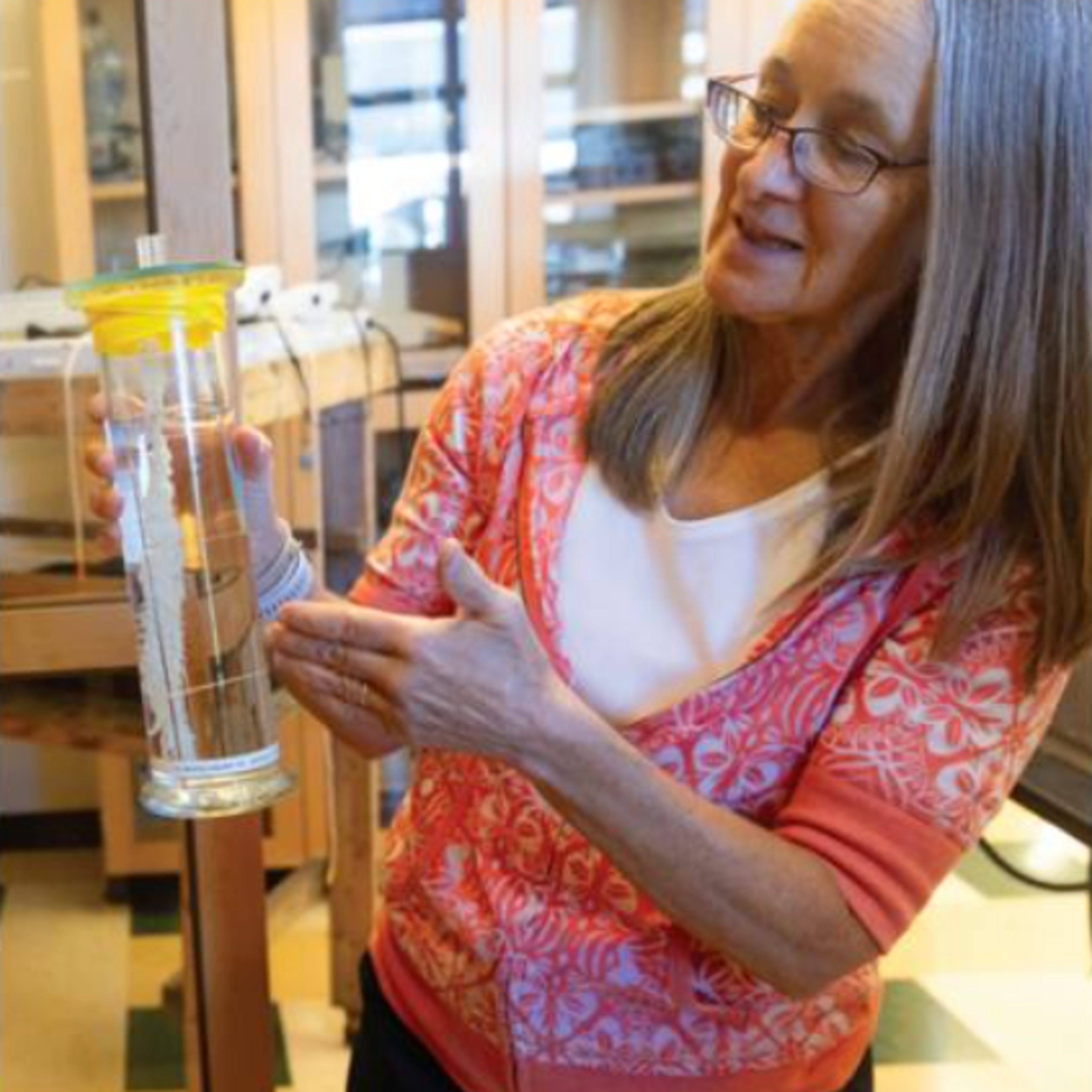
Metal cabinets in the science lab contain jars of various sizes, each holding a preserved specimen: an opossum, a deer, spiders — all suspended in formaldehyde or ethanol.
“Kids get excited when they can look at what was a living organism and pass it around and handle it,” Science Instructor Sydnee Goddard says. “It just brings it to life — even though it’s dead. Compared to just looking in a book.”
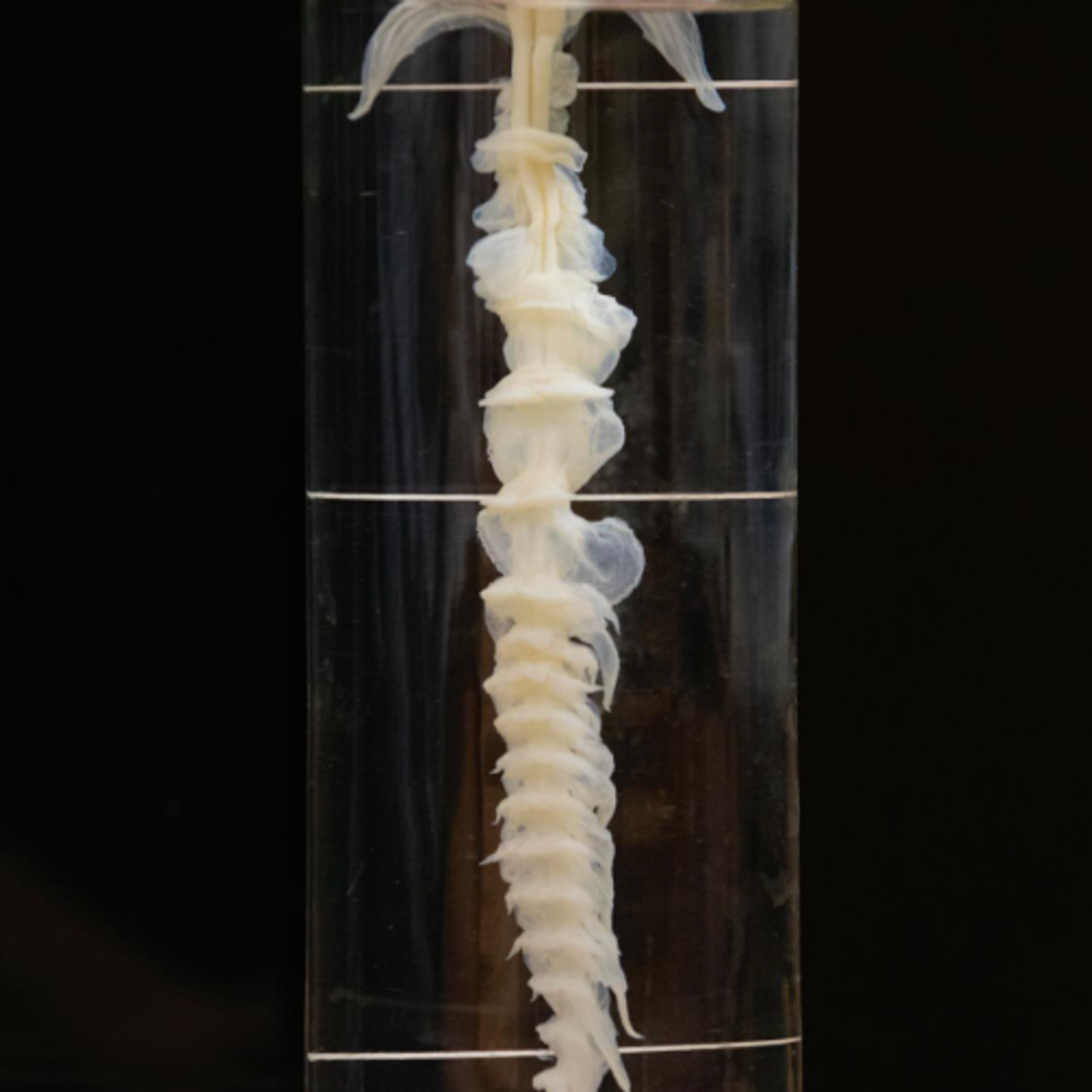
Goddard’s favorite is the polychaete worm.
“I really love this,” she says. “I use this in teaching about diversity and evolutionary change, and how specialization of segments and appendages allows organisms to subdivide tasks in their body.”
Goddard developed a fondness for the parchment tube worm (Chaetopterus variopedatus) in graduate school, when she collected them from local mudflats.
“I was so excited when I started here at Exeter and saw that we had one,” she says.
Some specimens in the Academy collection were collected by Goddard and other instructors; others were donated. Many have unclear origins but have remained part of the collection for decades.
“This is my 35th year,” she says. “They’ve pretty much all been here since I’ve been here.”
Goddard knows the lamprey was found locally.
“It’s great when you can talk about how your students caught it, and the experience of catching it,” she says, recalling past field trips to local rivers. “We used to have the live lamprey attach to their arms — and that’s exciting.”
Photographs by Christian Harrison