A Homecoming
Christie Charles ’27 reflects on the ways a summer visit to Ghana altered her understanding of ancestry and history
By Christie Charles '27
Fall 2026
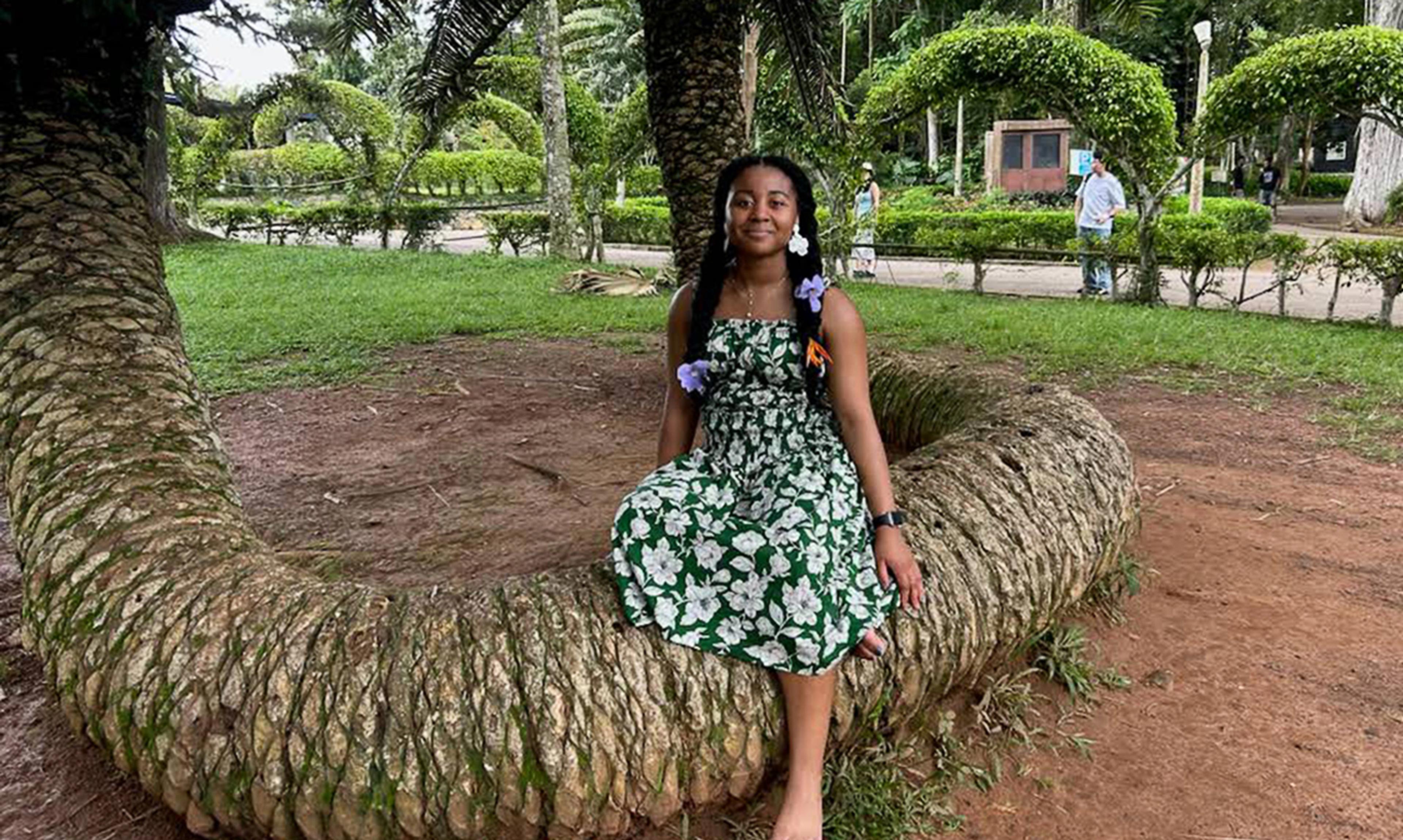
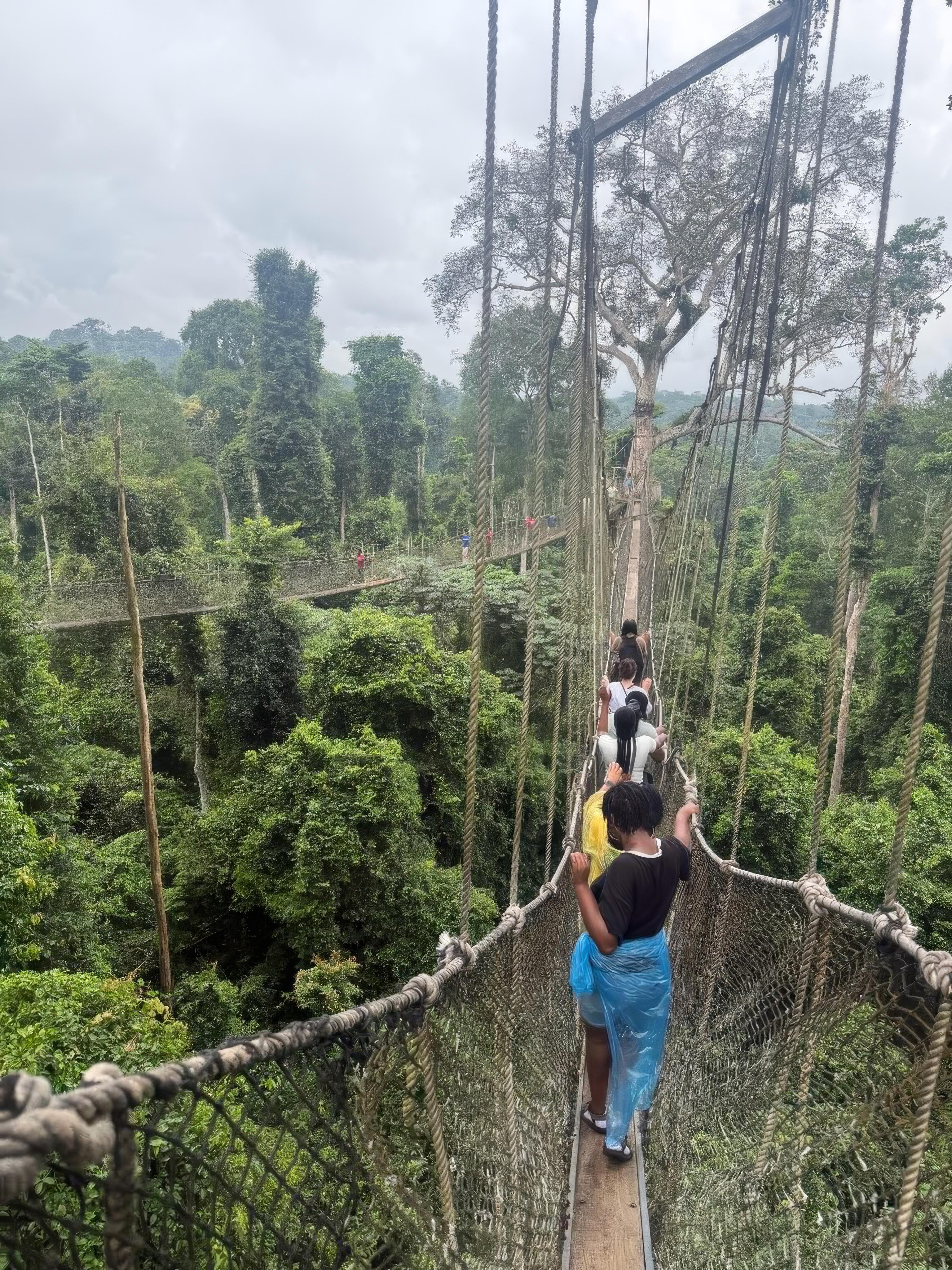
Christie Charles ’27 participated in Exeter’s Global Initiatives summer program in Ghana. The nine-day trip took students and adult leaders from the bustling capital of Accra to the UNESCO World Heritage slave castles. Central to the trip was exploration of Ghana’s history in the transatlantic slave trade. The following is Charles’ reflection on the experience.
Before traveling to Ghana, I wrote that I wanted to connect with my ancestry.
What I did not realize was that an
cestry is not something waiting to be found.
It is something already living inside you.
As an African American, I grew up learning about Africa primarily through absence. I knew where my ancestors had been taken from, but not where they had lived. I knew the history of slavery in America, but very little about the cultures, nations and people that existed before it. Africa often felt less like a place and more like a missing chapter.
In Ghana, that chapter suddenly had faces.
It had music.
It had laughter.
It had people who greeted me as if I belonged.
One of the first things I wrote in my journal was, “My people.”
Those two words surprised me.
I had expected to feel like a visitor. Instead I found myself surrounded by people who looked like me, moved like me, laughed at the same things I laughed at. For the first time in my life, I experienced what it felt like to be completely immersed in Blackness without it being defined by struggle or difference. It simply was.
That feeling followed me throughout the trip.
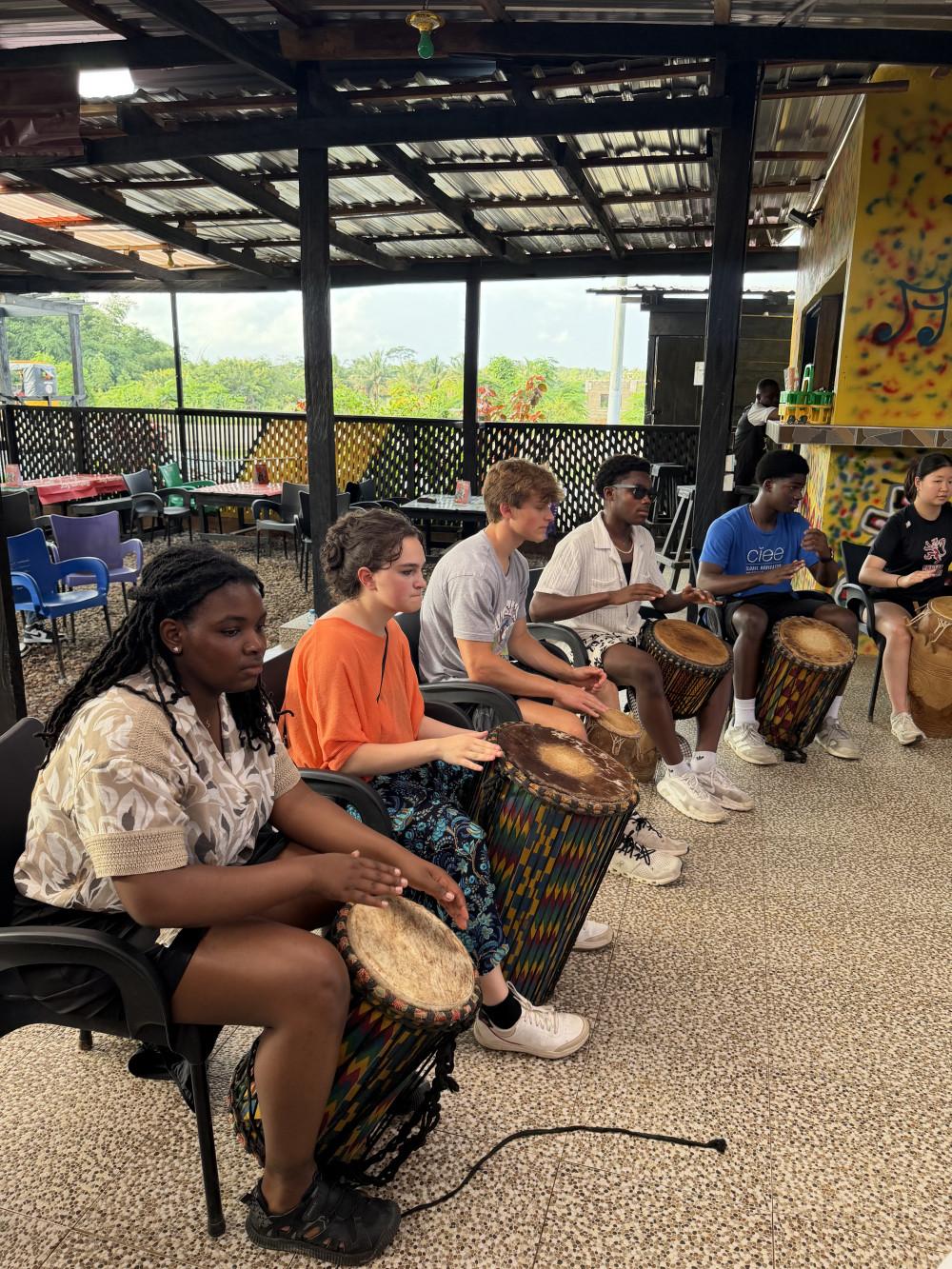
I saw it in conversations with Ghanaians. I heard it in the rhythms of drums. I felt it in crowded streets, shared meals and unexpected moments of kindness. I found myself noticing
pieces of familiarity in places that should have felt foreign.
The experience became even more profound when we visited Cape Coast Castle and stood before the Door of No Return.
History suddenly became intimate.
Standing there, I thought about the millions who left through that doorway without the possibility of return. I thought about generations of descendants, myself included, growing up oceans away from the place their stories began.
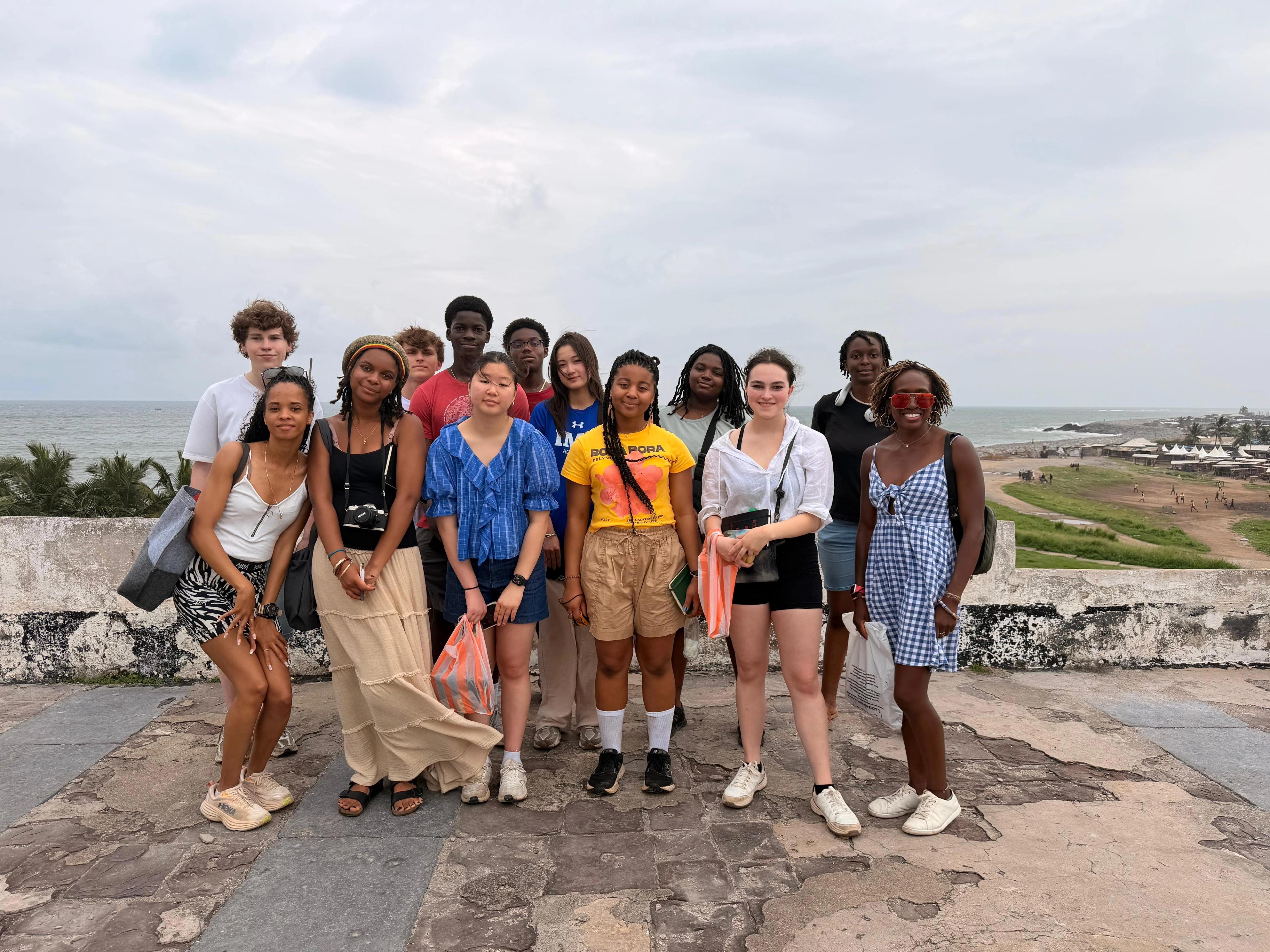
Later, I wrote a poem called “The Door of Return.” In it, I reflected on something that struck me deeply: My ancestors left through a door of no return, but somehow I had come back.
Not because I knew exactly where my family came from.
Not because I suddenly understood everything about my heritage.
But because for the first time, Africa no longer felt like an abstraction.
It felt real.
It felt human.
It felt alive.
And, in a way that surprised me most, it felt familiar.
Throughout the trip I kept returning to the idea of firsts. My first time outside the United States. My first time on the African continent. My first time experiencing a place that felt connected to my
history in such a direct way.
Yet many of those firsts felt strangely like returns.
One journal entry ended with the words, “This was simply homegoing.”
I think that sentence captures what Ghana ultimately meant to me.
I did not leave Ghana with all the answers to questions about identity. If anything, I left with more questions. But I also left with something I did not have before: a sense that my history extends beyond oppression, beyond loss, beyond the stories I learned in textbooks.
I left with a deeper understanding that my heritage is rooted not only in survival, but also in culture, creativity, joy, resilience and belonging.
For that gift, I am incredibly grateful.
This summer 73 students broadened their perspectives with experiential learning trips to five countries as part of Exeter’s Global Initiatives program.
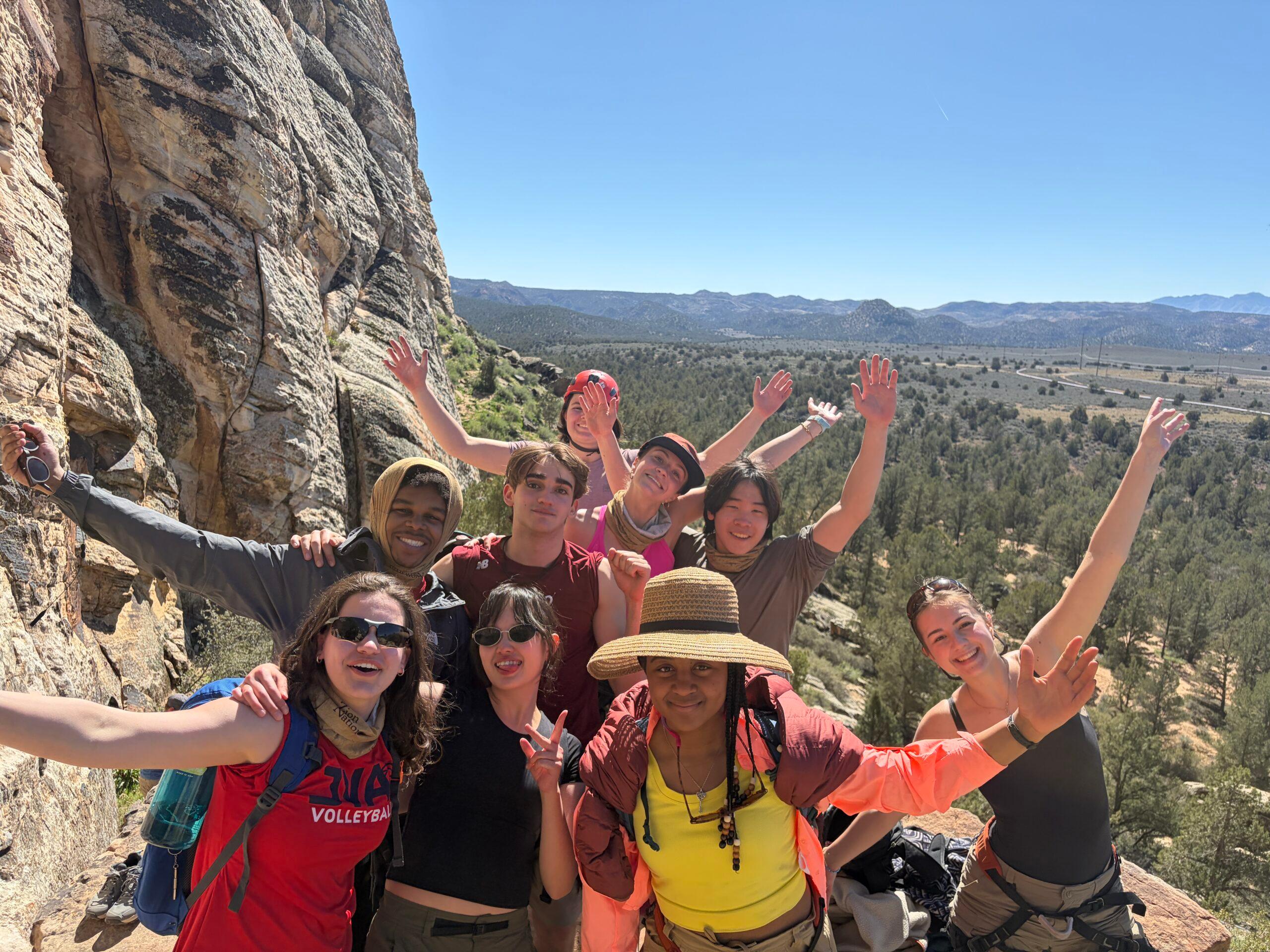
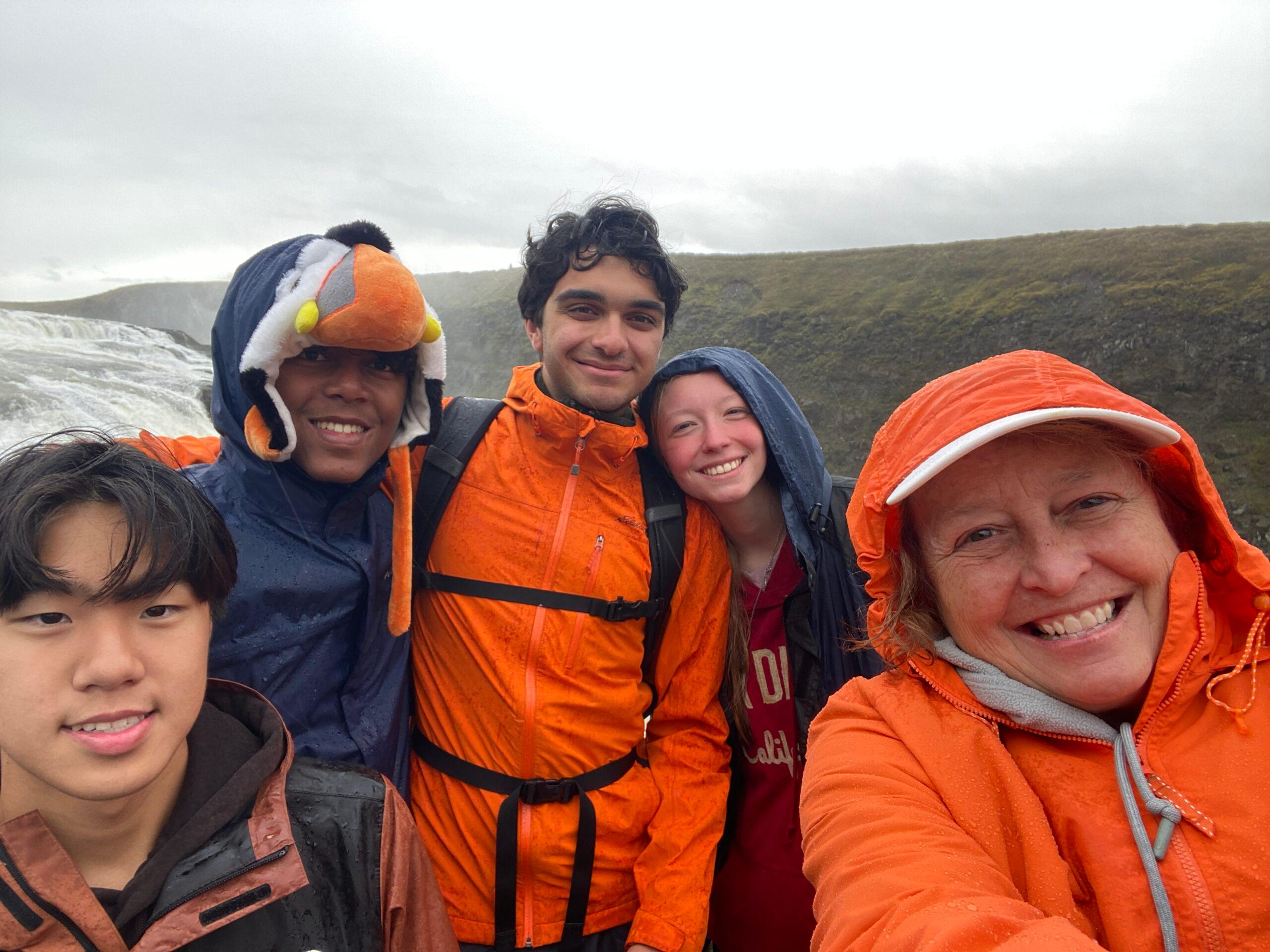
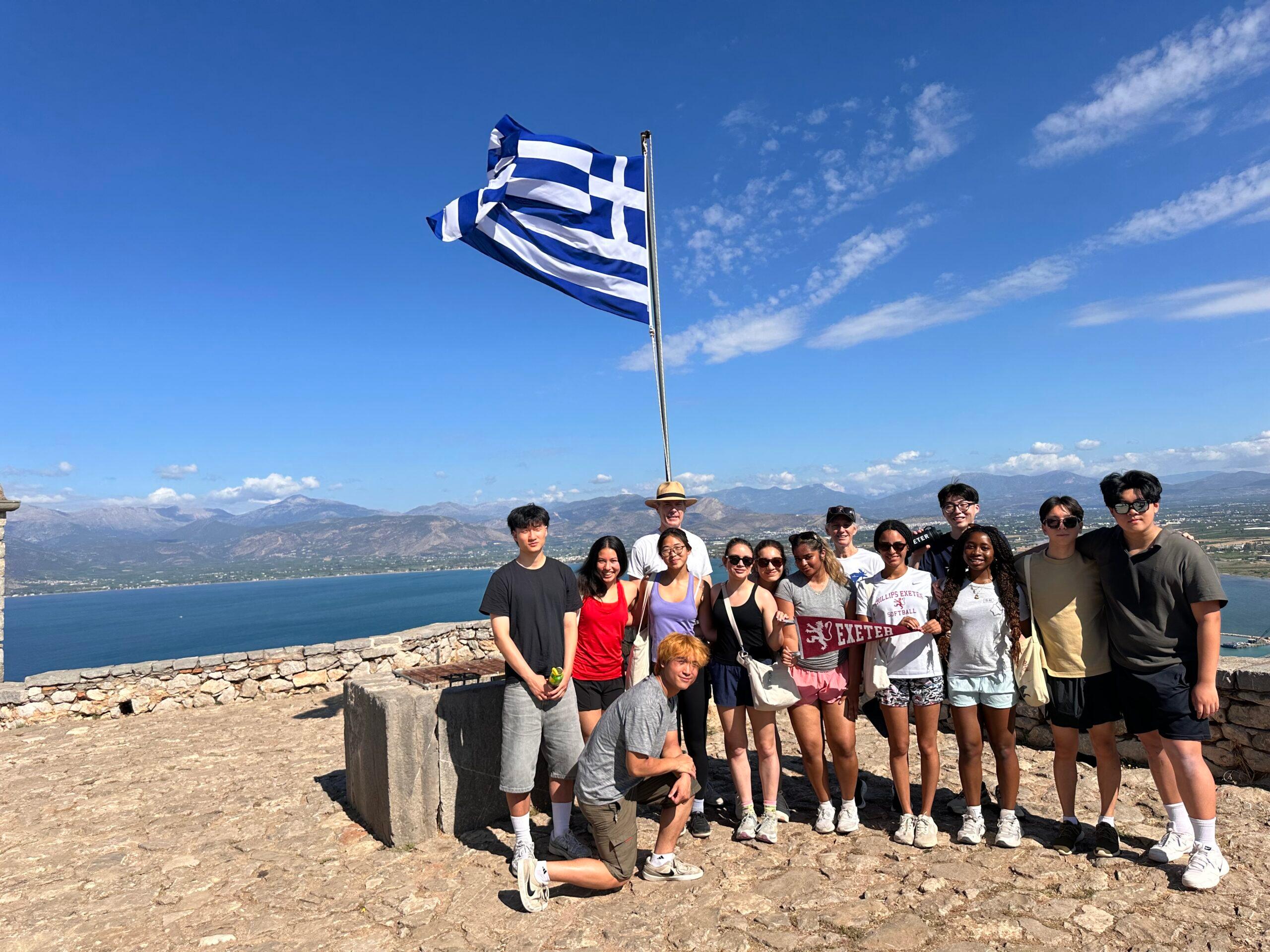
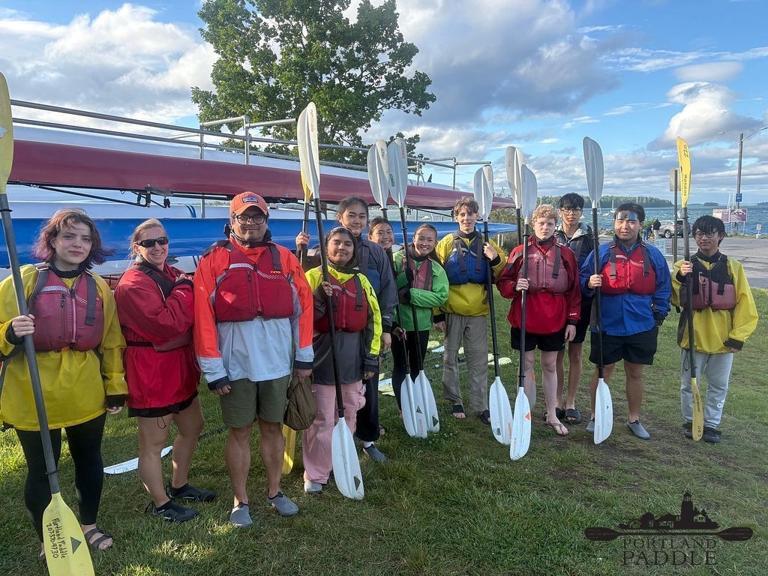
From Greece to Ghana, Iceland to Germany, coastal Maine to Yellowstone, Exonians dug into new discoveries and expanding their horizons while exploring culture, food, ecosystems, history and more.
Christie Charles ’27 is a member of Word! and the Pendulum club, writes for The Exonian and MATTER Magazine and plays on the girls tennis team. She is also a published poet and dedicated researcher focusing on Alzheimer’s disease.