Dance
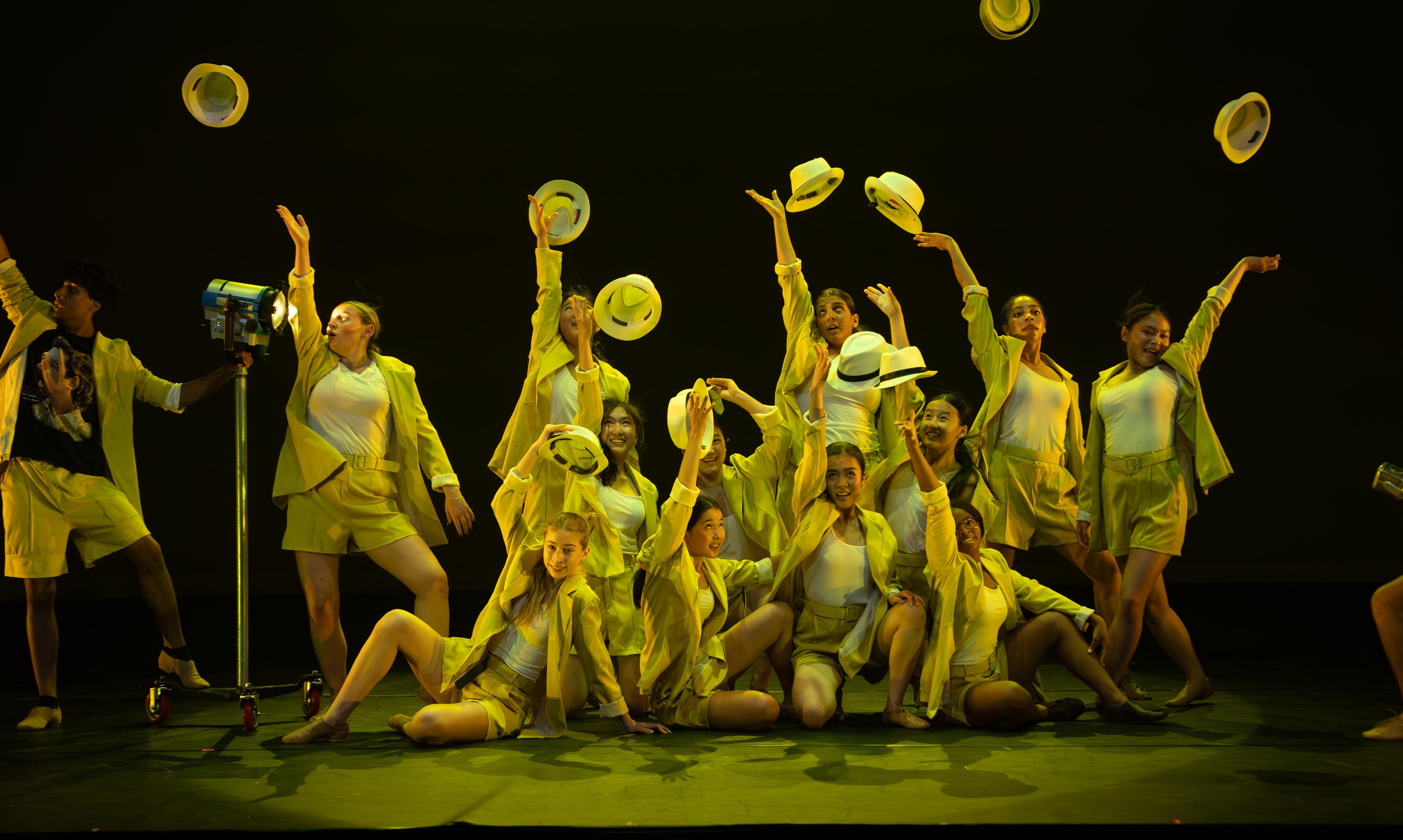
For the Spring Dance Concert, “Music from the Movies,” student choreographers drew inspiration from the iconic scores, instrumental soundscapes and atmospheric tracks of popular films including Mamma Mia, The Notebook, Me Before You and The Great Gatsby. Ella Fang ’27 reimagined the Billie Eilish song “What Was I Made For?” from the movie Barbie. “Barbie is inherently a doll of contradictions,” Fang says. This piece “is in part an exploration of the contradictory ways women shape each other.
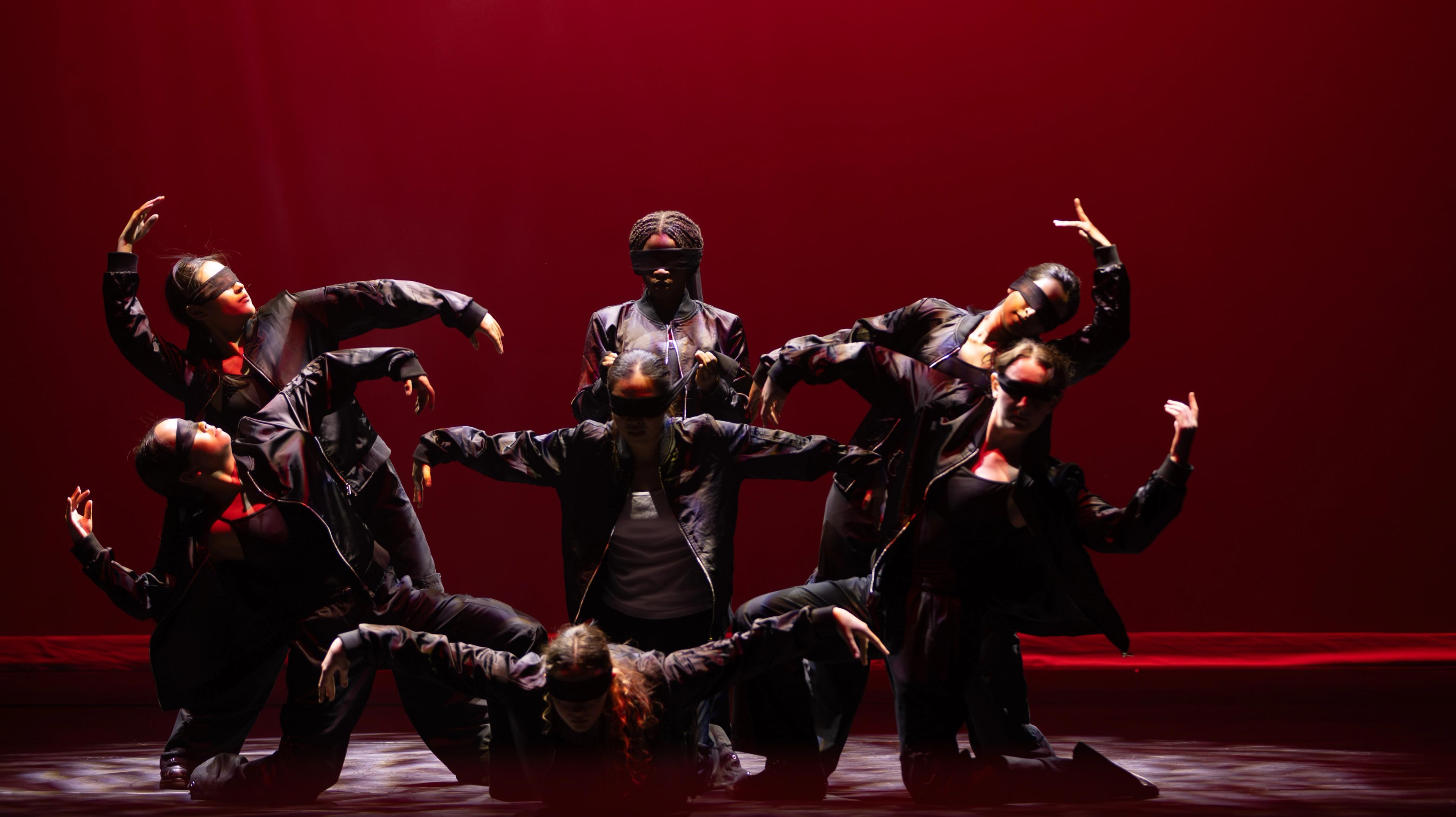
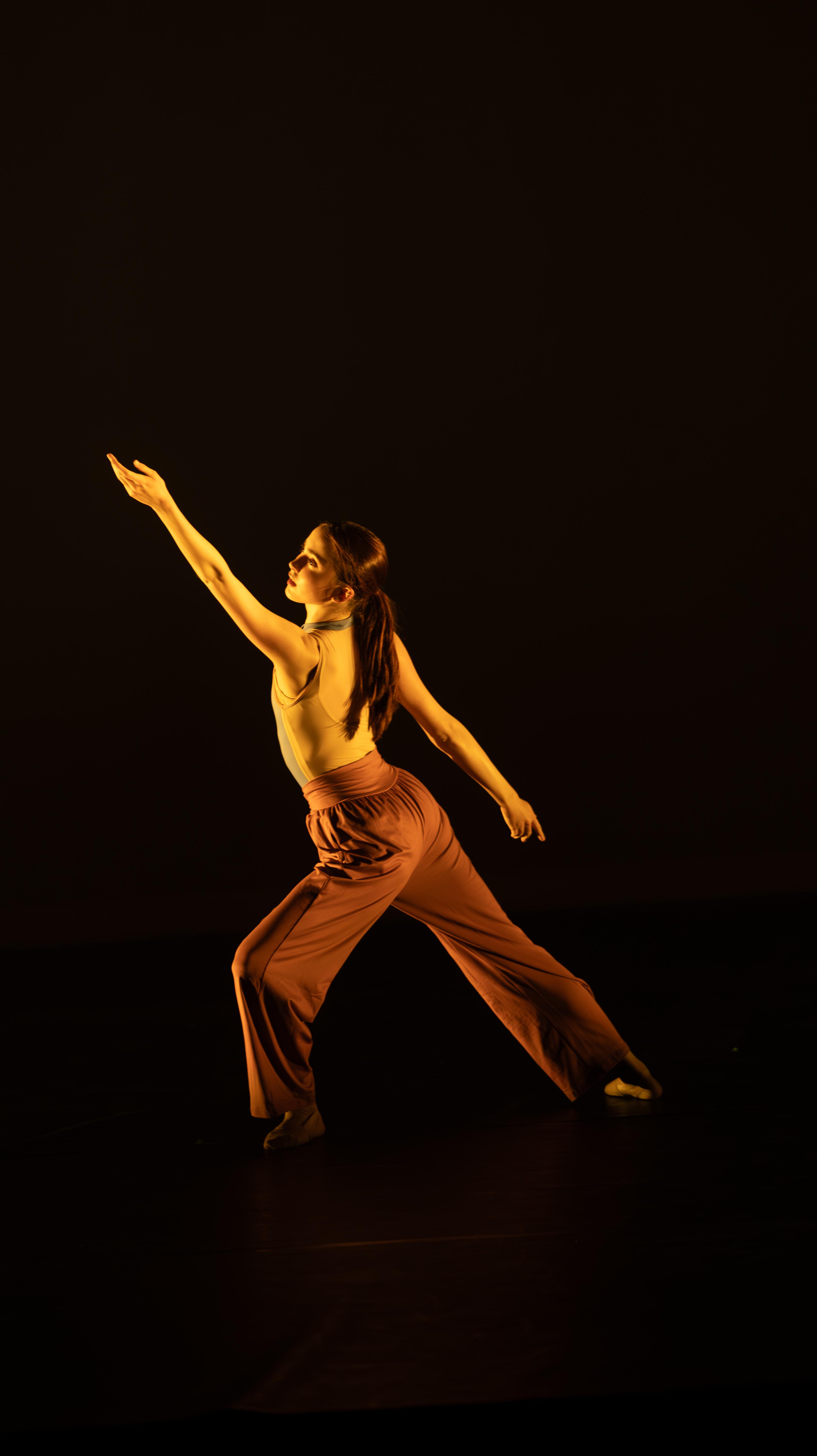
Co-directors Allison Sarage and Amberlee Darling noted that for the first time students in the Academy’s Lighting Design course each selected a dance piece to light. “We are thrilled to showcase this new student collaboration,” they wrote in the playbill, “and hope to spark more interest in theater and dance lighting design.”
Music
From 23 submissions, nine finalists took the floor of the Forrestal-Bowld Music Center for the annual Pittman Family Student Composition Competition in May. The showcase featured a breadth of musical styles — including classical orchestral arrangements, electronic, pop and instrumental solos — reflecting the student body’s broad creative range.
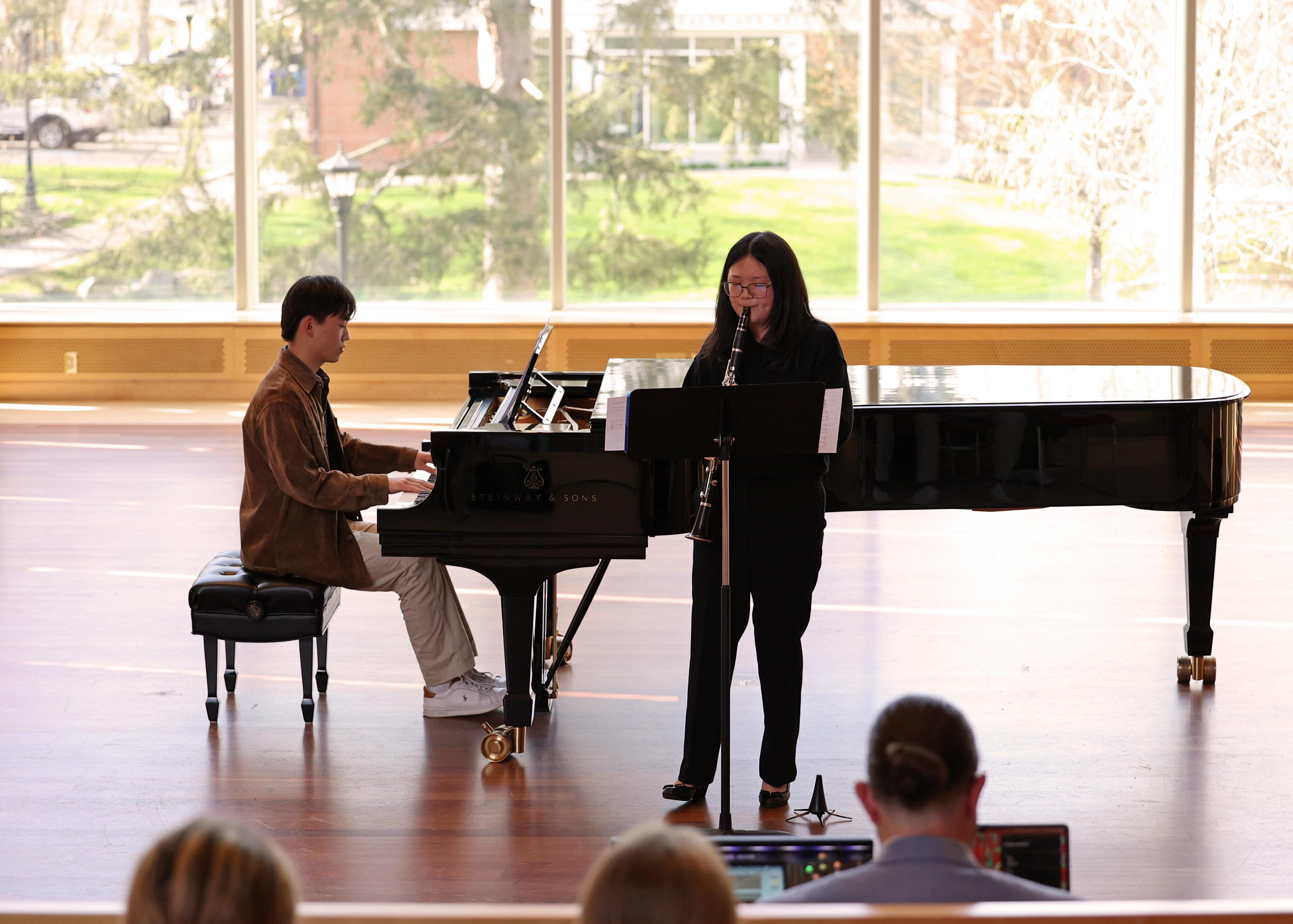
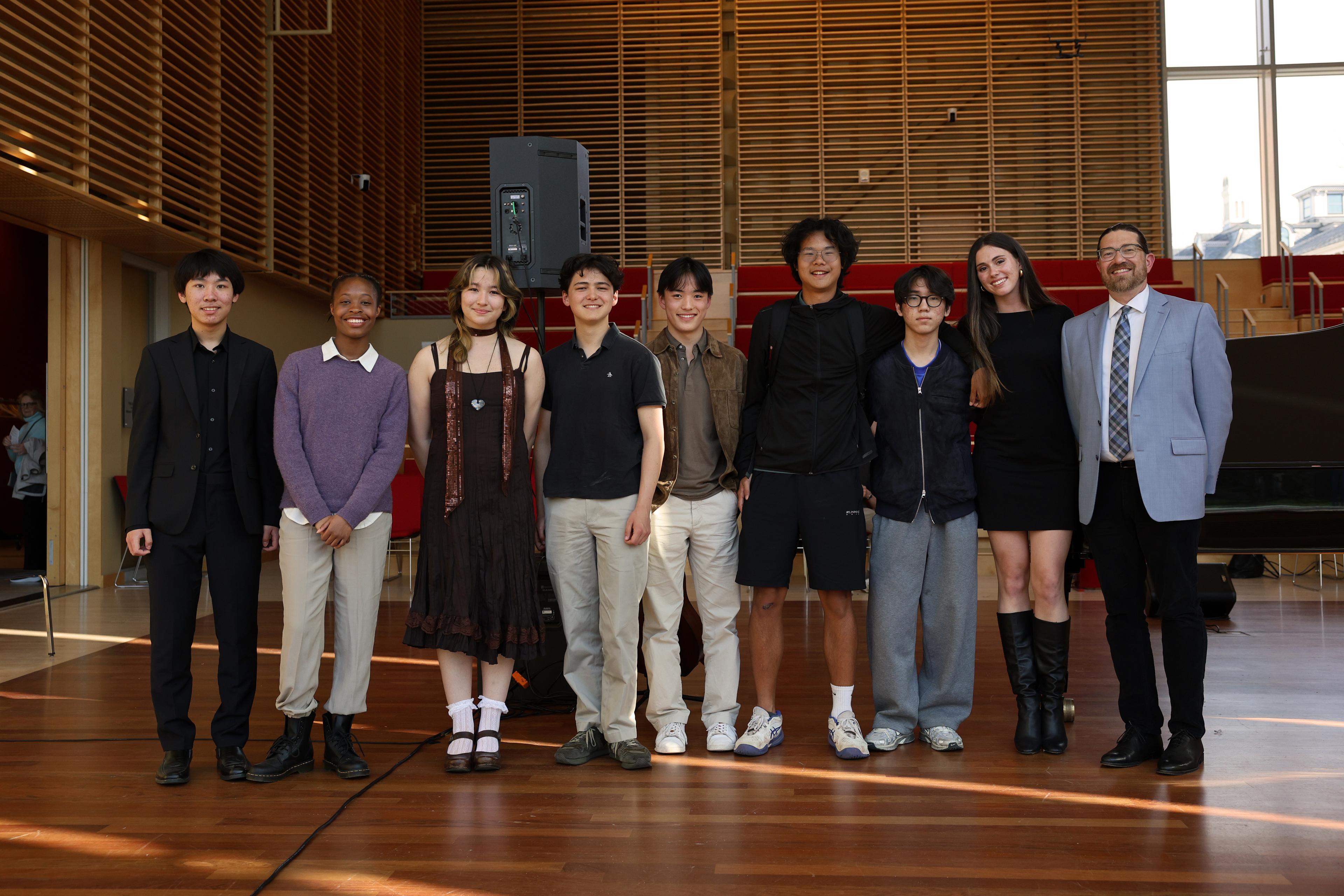
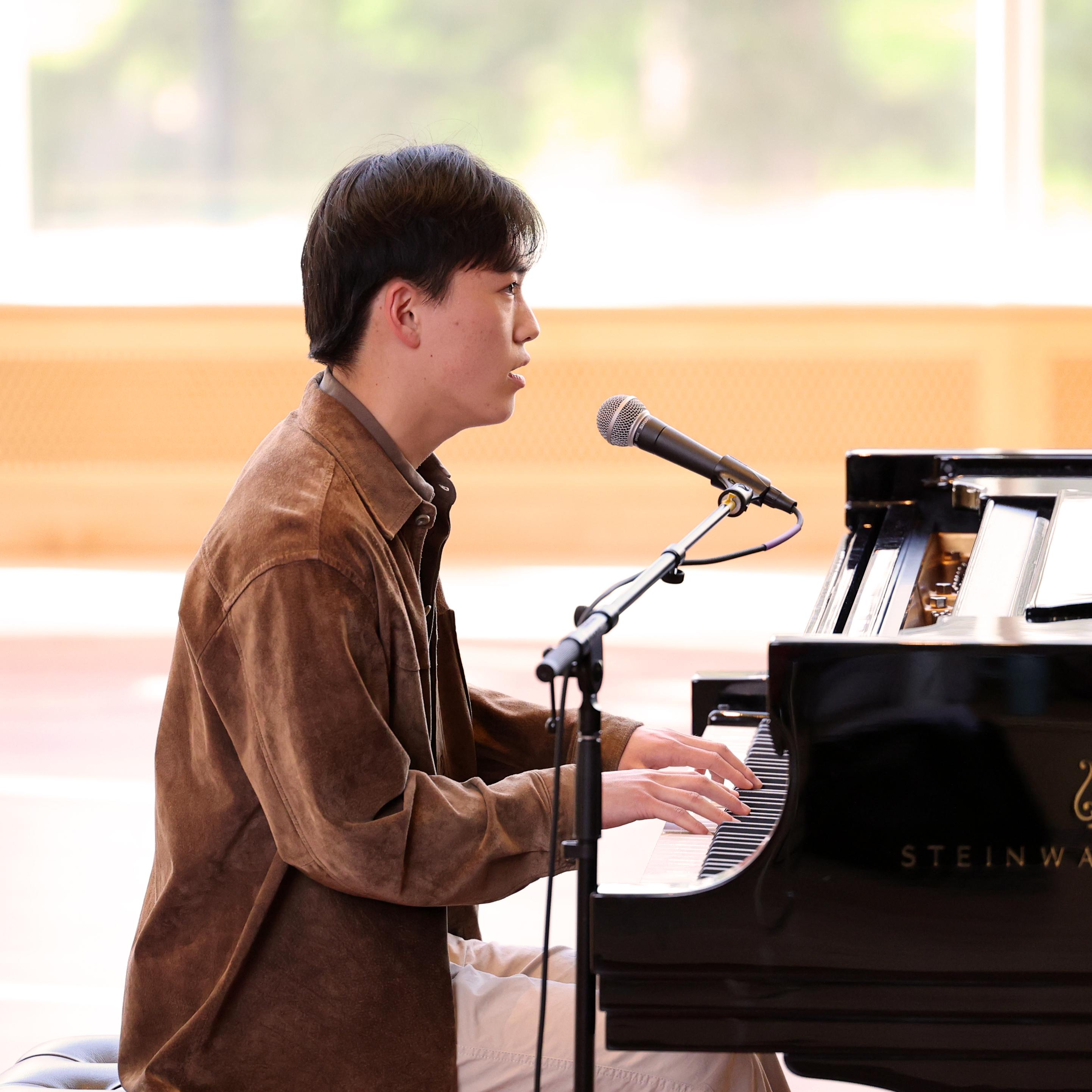
Sylvia Guarracino ’26 (pictured above) claimed the top prize with her original song “NO CONTACT.” Runner-up honors went to Wilson Rhee ’26 and Max Liu ’26. Prep Daniel Lee’s piece, “Racing Droplets,” earned the Curator’s Award — and with it a rare distinction. The piece will be performed by the PEA Symphony Orchestra next year and professionally recorded.
Theater
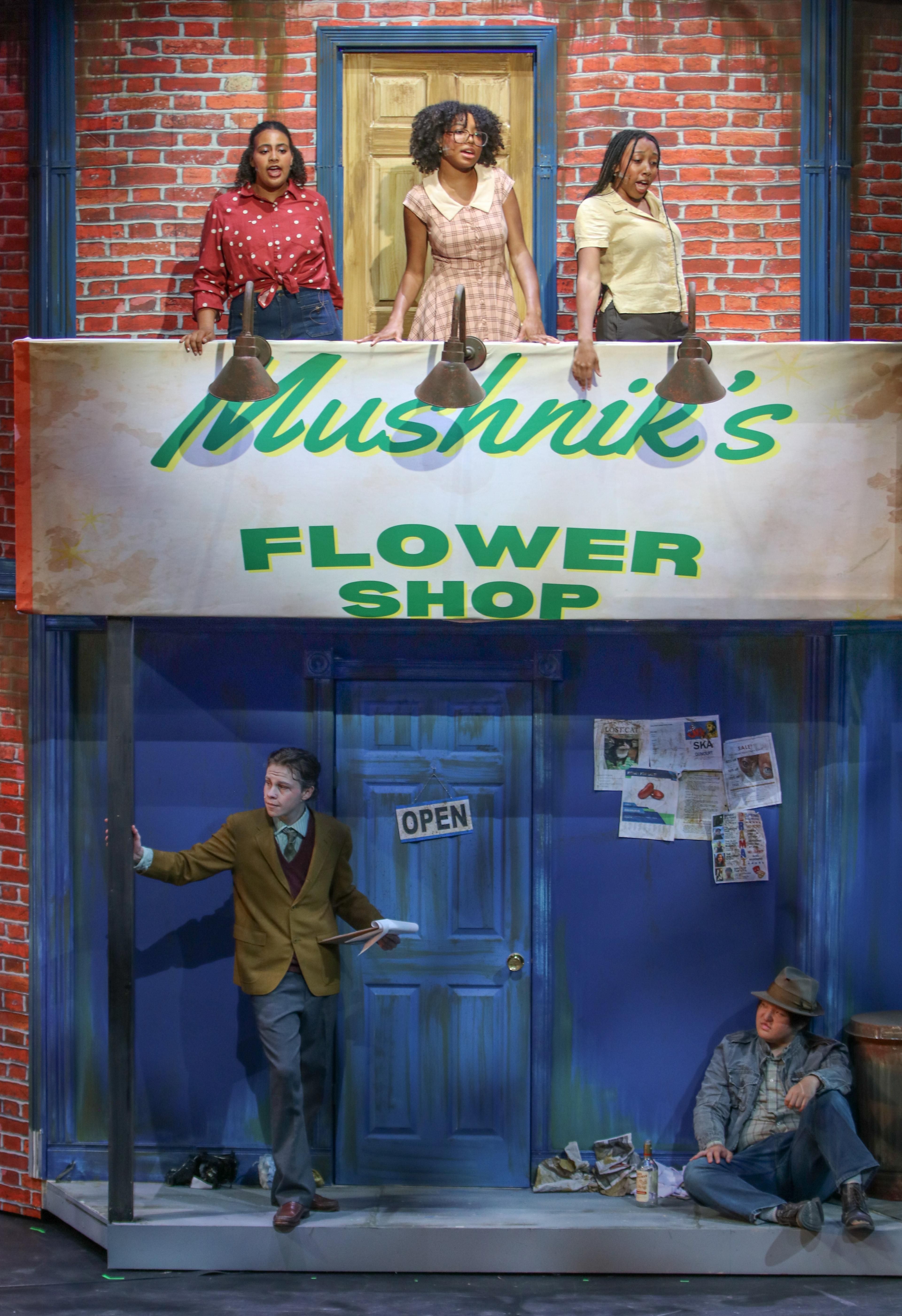
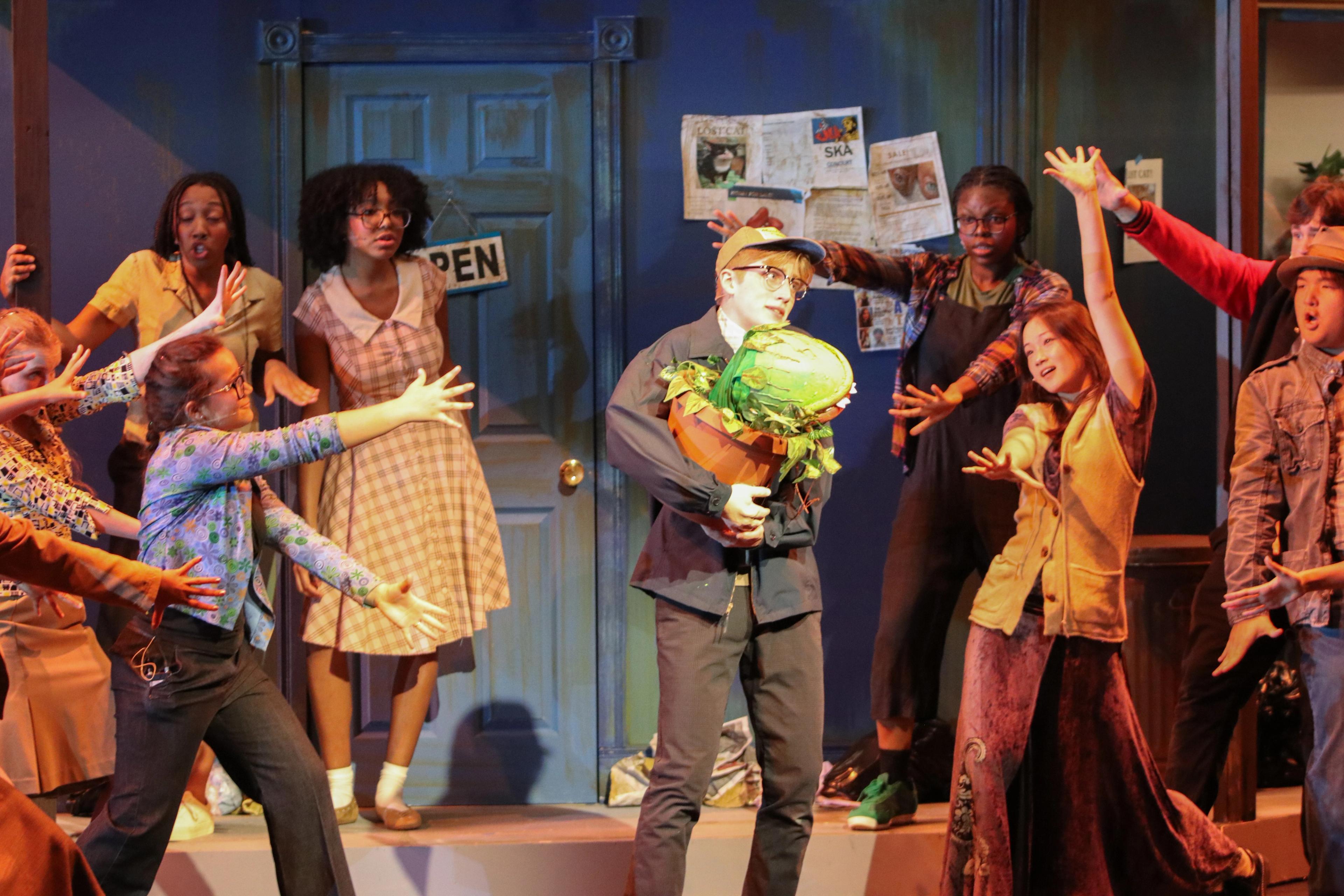
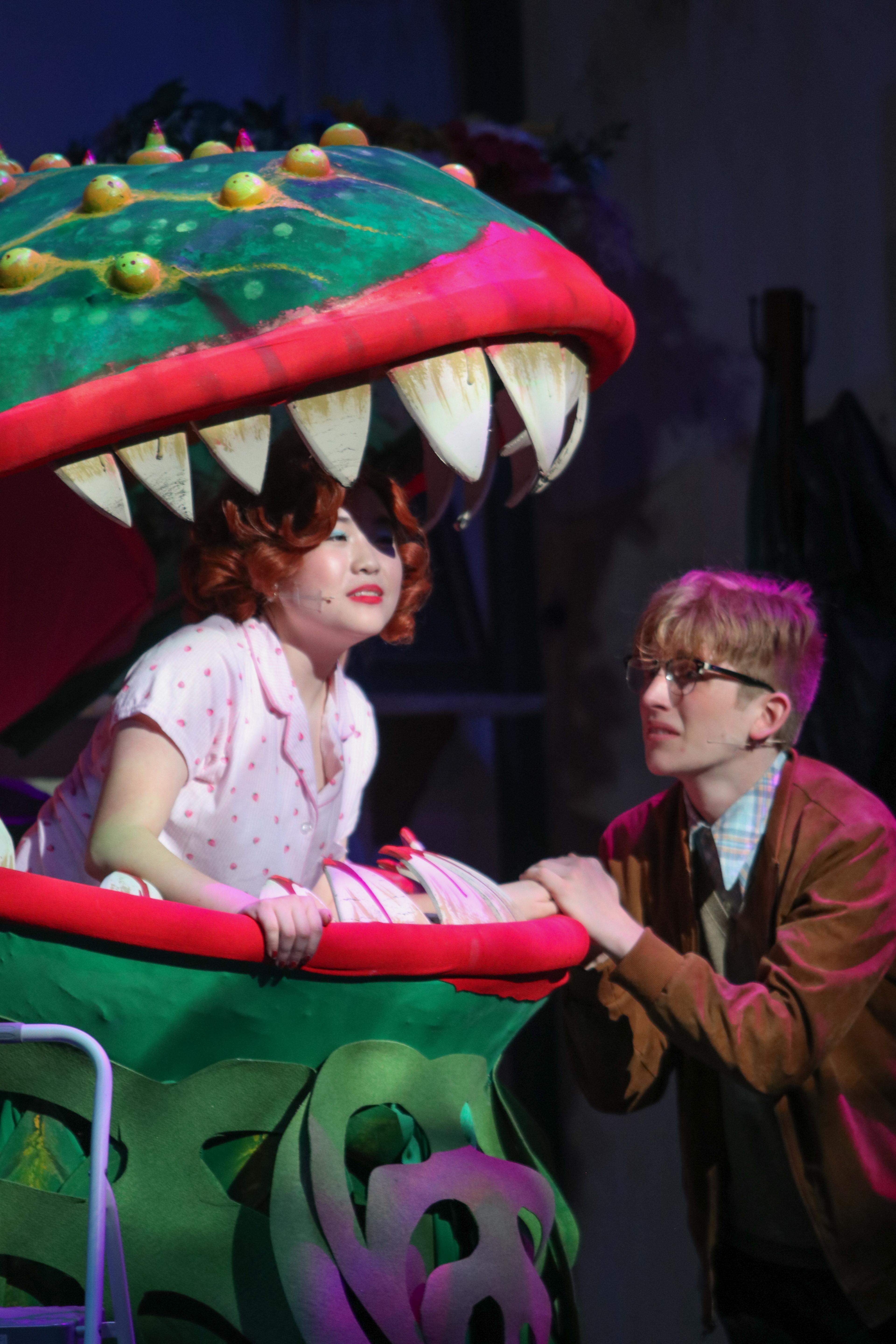
Handmade puppets, a rotating set and boisterous energy brought Little Shop of Horrors to life on the main stage of The David E. and Stacey L. Goel Center for Theater and Dance in May. Based on the 1960 Roger Corman film, the play follows a floral shop worker who discovers a sentient, carnivorous plant that demands human blood. “This show has stood the test of time,” says Lauren Josef, the production’s director and theater and dance instructor, “and I believe it’s because the music is catchy, the story is just wacky enough, and because everyone can relate to Seymour’s journey.” “For us, Skid Row became a representation of the grind,” she adds. “Working as hard as you can, day after day, in hopes that it leads to more. More. And still MORE. In this community, in this country and world, we’ve been taught to always work for more — sometimes at the expense of others and, in the darkest of times, the people we love. In the end the bad guy dies, but so do the good guys. What does that say about Seymour? What does that say about us?”