Soundscapes of the Deep
Biologist Joseph Luczkovich ’74 uses underwater acoustics to track, study and protect fish
By Sarah Zobel
Summer 2026
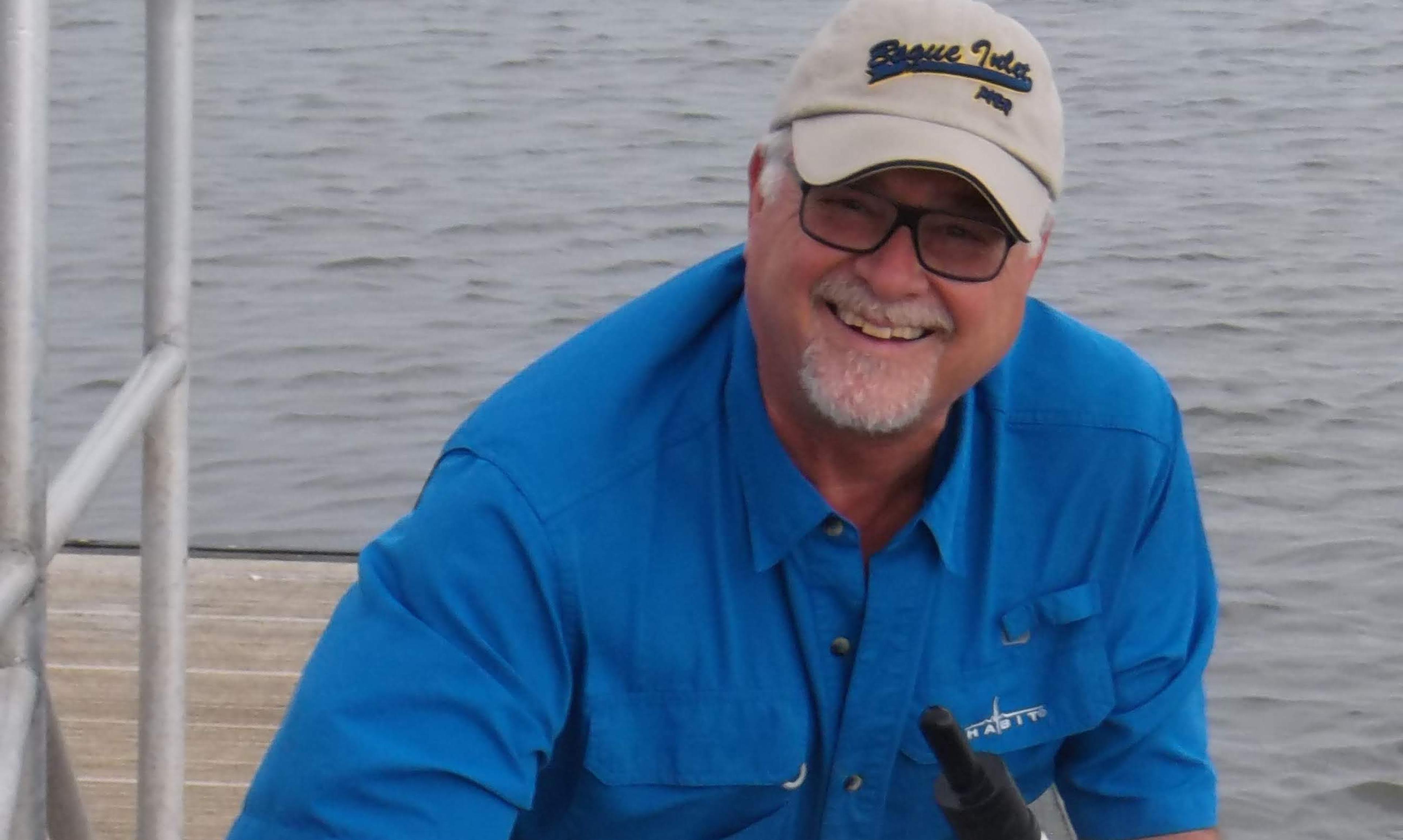
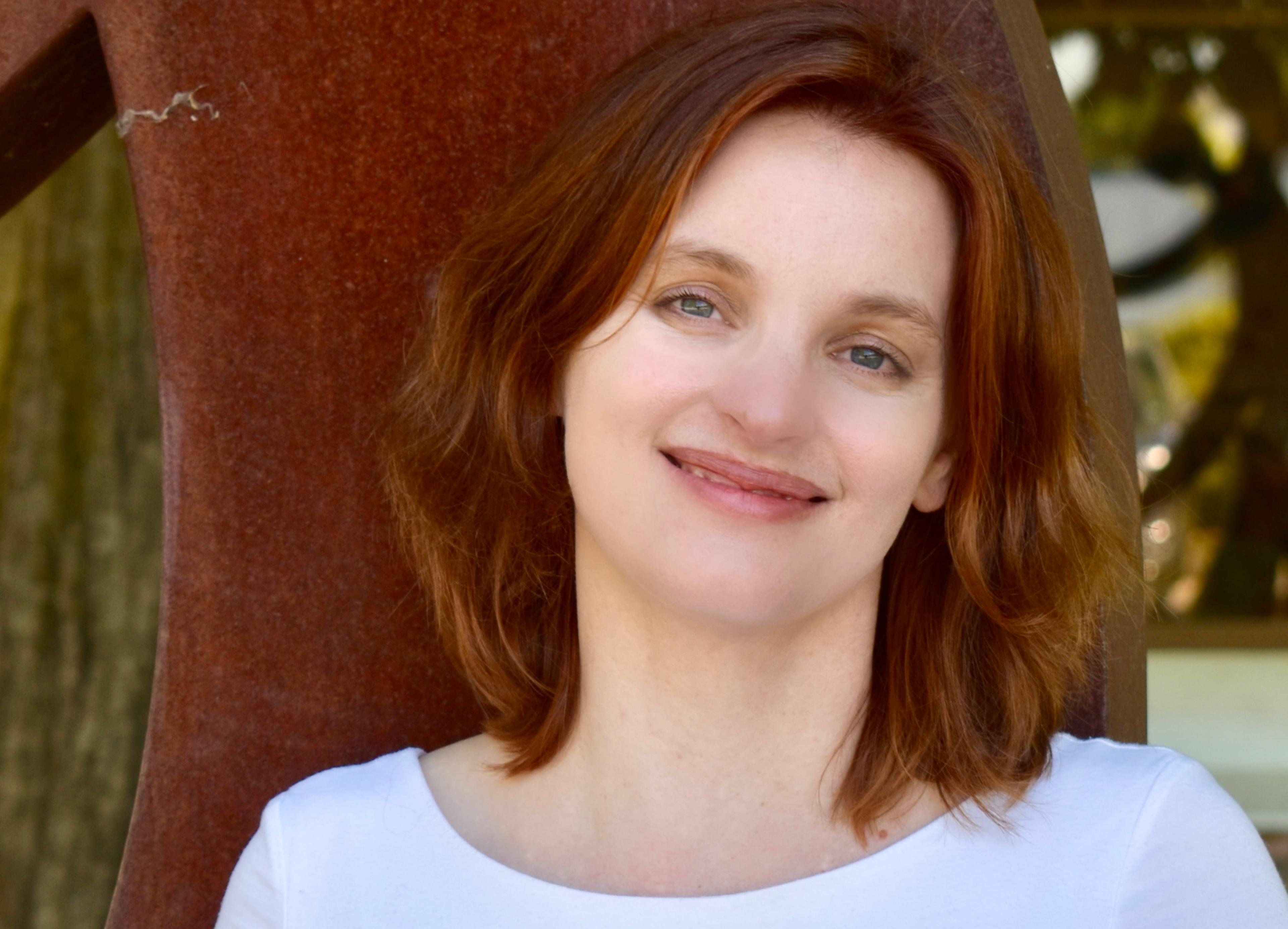
Like a birder who can name a cardinal by its song, Joseph Luczkovich ’74 identifies marine life by their underwater sounds — and what he hears is deepening our understanding of not only fish, but also the health of our oceans, lakes and streams. A certain thumping indicates a drum fish, he says. A chattering sound means a striped cusk-eel is nearby. But unlike the birder, Luczkovich, a distinguished professor of biology at East Carolina University, relies solely on what he hears, without visual confirmation. “Bird people have it somewhat easier,” he says. “We put a hydrophone in the water, we hear sounds, and we say, ‘That sounds like a fish.’”
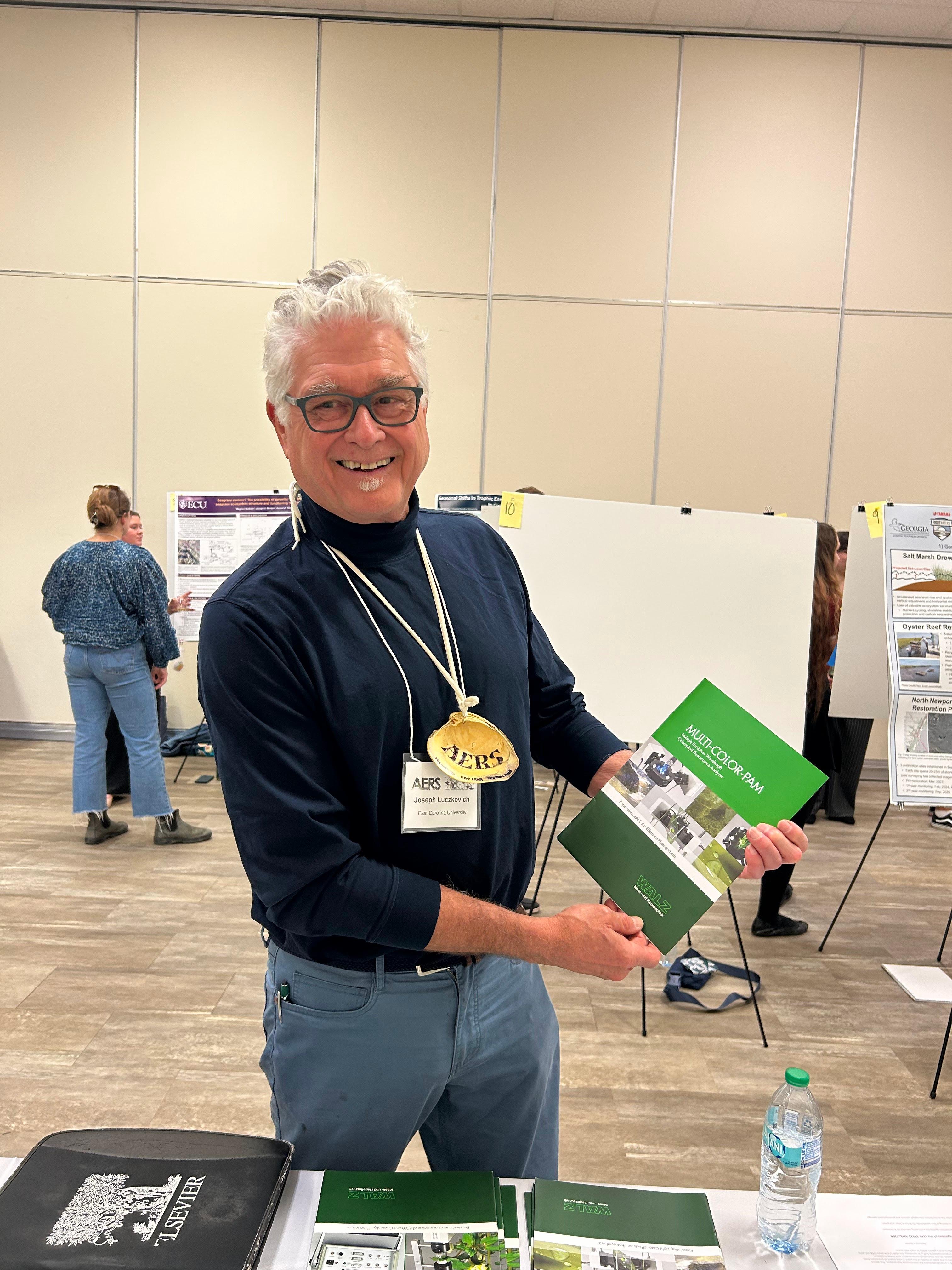
Most fish emit sounds using their swim bladder, an air-filled sac surrounded by muscles that expands and contracts, causing an audible vibration through the water. In others, a specialized series of bones do the squeezing. Males make the bulk of the sounds, especially during spawning season. The sounds not only attract other fish, he says, but also are integral to our understanding and assessment of fish populations and their movements. Fish audio helps commercial and sport fishers find fish and allows researchers and policymakers to better manage fisheries by determining which areas might benefit from being designated no-fishing zones.
Underwater sounds, or their absence, are also a key to understanding the effect human beings have on marine ecosystems. Noise from vessels, oil and gas exploration, wind turbines and sonar interfere with the ability of fish to communicate. “Fish choruses dominate the ocean soundscape and tell so much about where the fish are,” Luczkovich says. “If that’s obscured by noises humans make, those fish might not reproduce.”
“We put a hydrophone in the water, we hear sounds, and we say, ‘That sounds like a fish.’”
Luczkovich also studies food web networks and most recently tracked the Southern flounder. Using specialized surgical training he received at ECU’s Brody School of Medicine, he and his team anesthetized 210 flounder with clove oil and inserted acoustic tags the size of AAA batteries in their peritoneal cavities. In a setup he describes as akin to E-ZPass for fish, the team planted an extensive series of receiver hydrophones and noted every tagged fish that passed within range. Of those tagged, 88 were tracked at more than one station, some traveling as far south as Savannah, Georgia. This information will allow researchers to identify local flounder spawning sites and develop a mathematical model to ascertain both where the larvae end up and how the flounder recolonize in the estuaries.
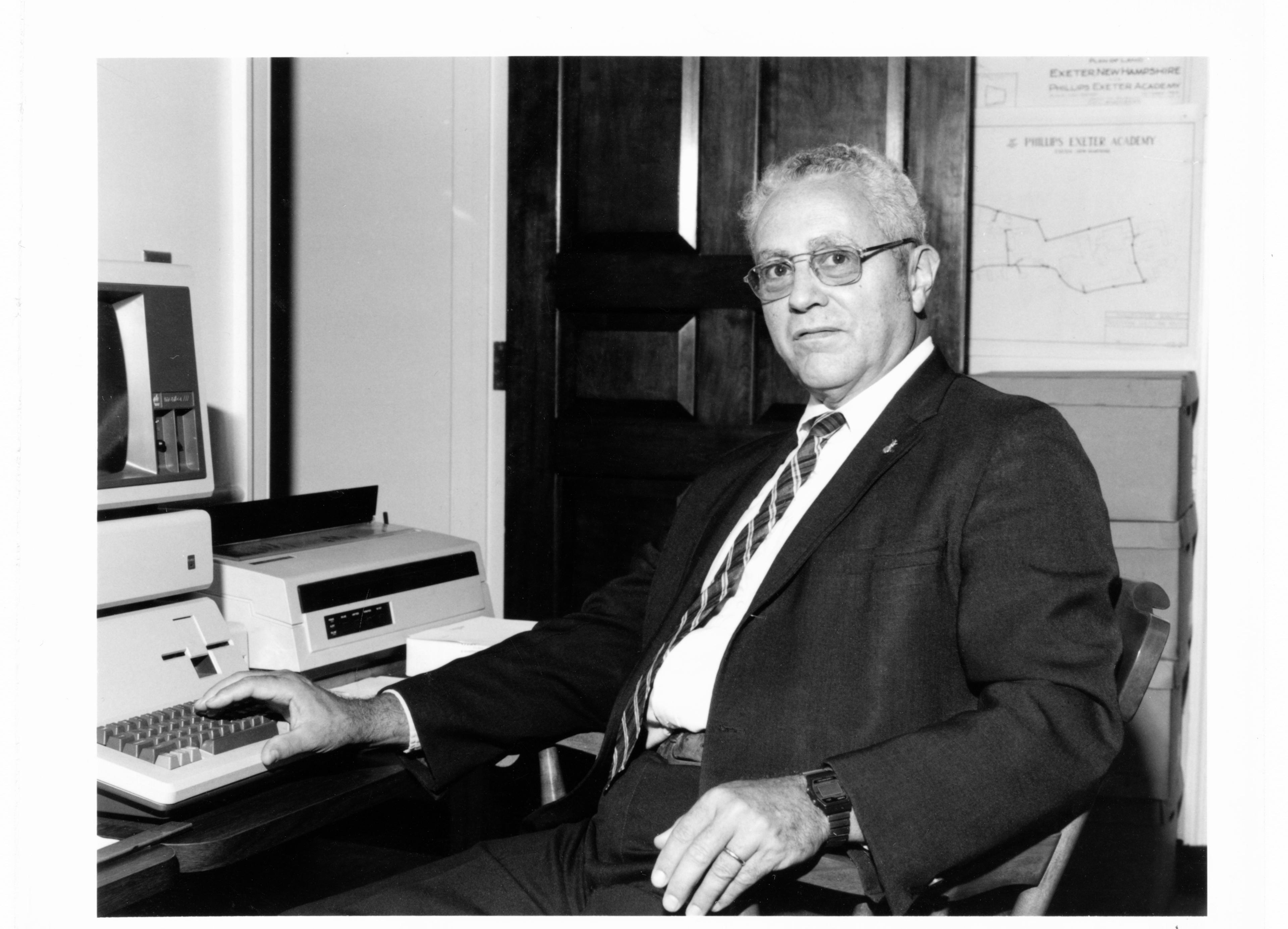
The ocean and its inhabitants are a lifelong interest for Luczkovich, who grew up near the Jersey Shore. He came to Exeter on a newspaper carrier scholarship, and his future was cemented in an ecology course taught by David Walker. “The science classes at Exeter were excellent,” Luczkovich says. “That’s where I first got interested in ecology.” After earning a doctorate in biological science from Florida State University, Luczkovich focused on seagrass ecosystems before broadening his work to include the fish that call them home. Today, he routinely presents at international acoustics conferences and has been recognized widely for his work.
That work is a melding of ancient knowledge — it’s been known that fish make sounds since the time of Aristotle — with modern technology, as Luczkovich uses AI to quickly review months of underwater recordings. But it was careful listening that allowed Luczkovich and a colleague to recognize that a chatter and a purr, which for decades had been misidentified as both coming from weakfish, were in fact from different fish. Comparing a captive recording from Rutgers University and conducting spectral analysis on the chatter, they determined that it was a cusk-eel, necessitating a correction to Sounds of Western North Atlantic Fishes, the longtime primary resource in the field. Luczkovich expects more such reidentification as he and others use newer tools to reinvestigate past work to attain birder-like accuracy.