The Making of a Captain
Student-athletes share their thoughts on leadership
By Brian Muldoon
Fall 2026
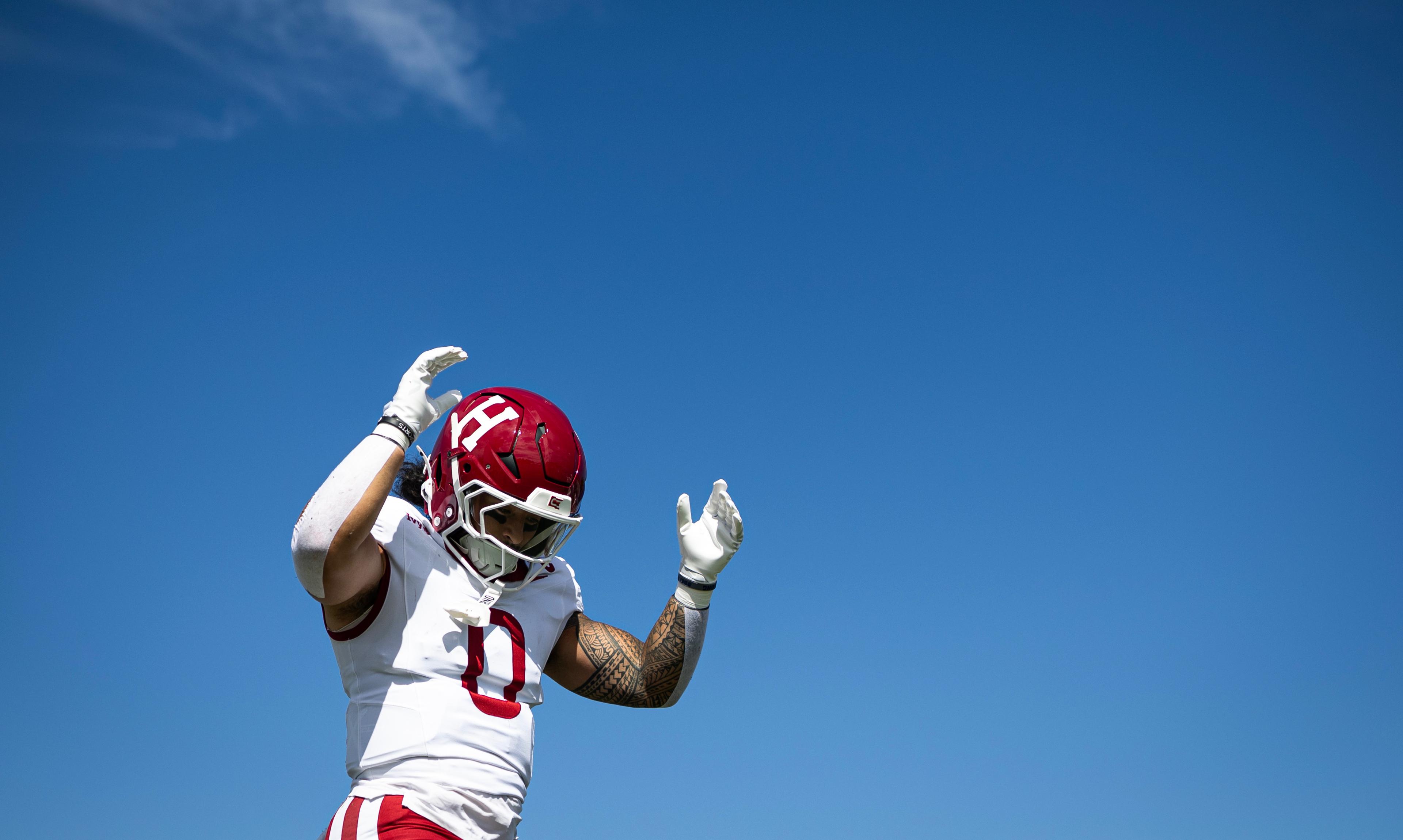
Exeter students are given many opportunities to learn the skills needed to become captain of a college sports team — through Harkness discussion, competition, mentors and formal leadership training programs.This year, 13 Exeter alumni are serving as captains of their college teams. We caught up with two captains as they started their fall seasons to get their takes on leadership.
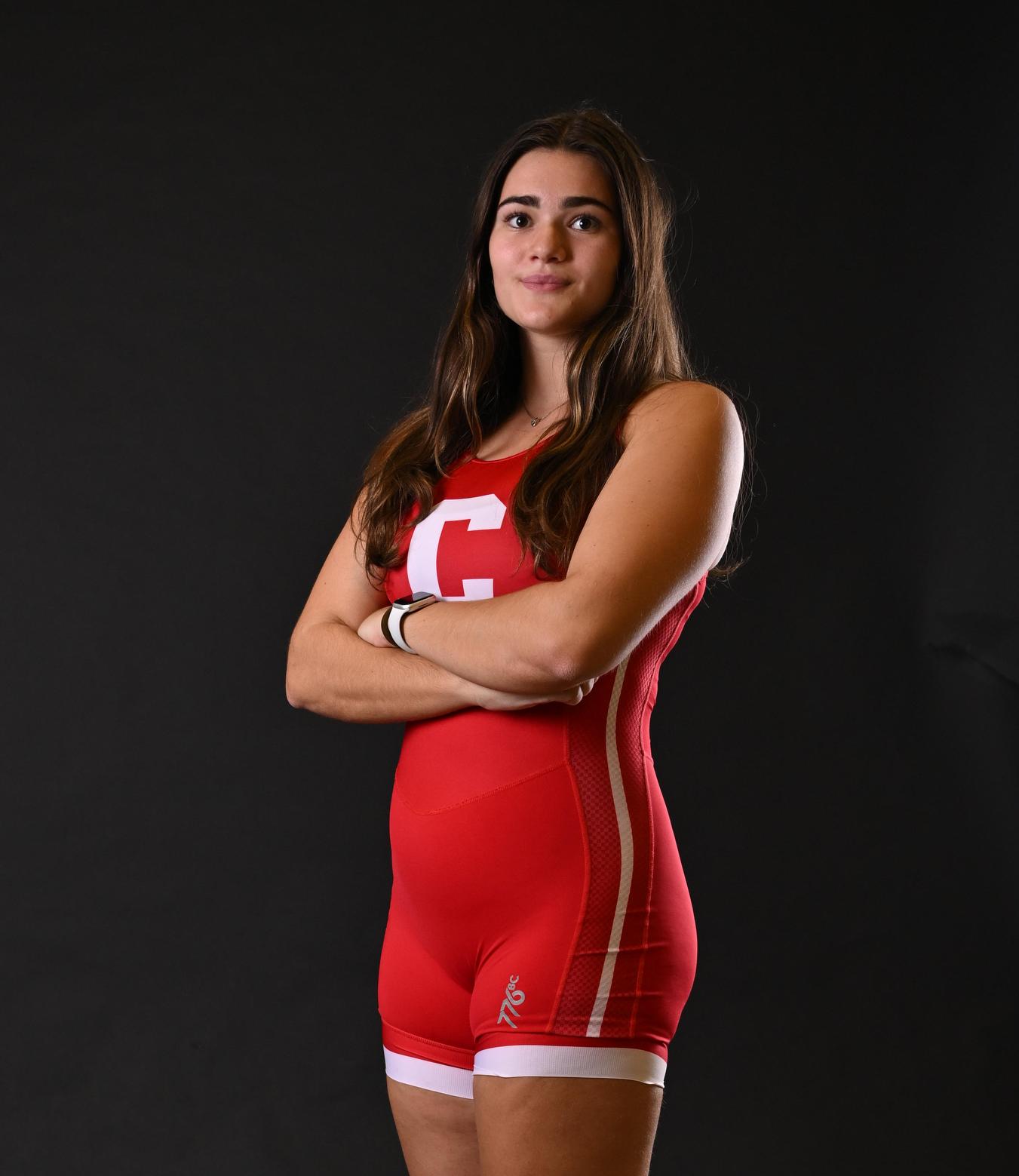
Izzie Riccardi ’23
Cornell women’s rowing
Riccardi, who joined Exeter rowing as a lower shortly after the COVID-19 pandemic, remembers finding an immediate sense of community. Upperclassmen who supported her development in the sport, she says, helped her through the college recruitment process and remain trusted advisers today. When Riccardi arrived at Cornell, Katya Davis ’20 was captain of the rowing team and became a mentor.
“She texted me right after I committed and was so welcoming,” Riccardi says. “It was amazing to have her as a role model when I was a freshman — to see what her leadership style looked like and learn from that. … She is someone who I still lean on for advice.”
Establishing a foundation of mutual respect and identifying common team goals has been central to building a positive team culture at Cornell, Riccardi says. The other key element is joy.
“We are so lucky as athletes to have these two hours of our day,” Riccardi says of daily practice. “I get to spend time surrounded by people that I love and respect so much, and I’m truly grateful for that.”
“What being a leader has come to mean to me is playing to everyone’s strengths — being able to bridge the gaps, making sure everyone is heard.”
—Izzie Riccardi ’23, Captain, Cornell women's rowing team
Enthusiasm and reliability are trademarks of Riccardi’s leadership style, whether hyping someone up before a tough erg workout or giving a fist bump after a strong performance. “I want to pay that forward and be someone that anyone can lean on,” she says, “regardless of year or position on the team.”
At Exeter, Riccardi says, she learned to become comfortable communicating, stepping forward and sharing her voice. “You learn what it means to build one another up while also pushing one another to your limits,” Riccardi says.
“What being a leader has come to mean to me is playing to everyone’s strengths — being able to bridge the gaps, making sure everyone is heard and allowing everyone to contribute to the team.”
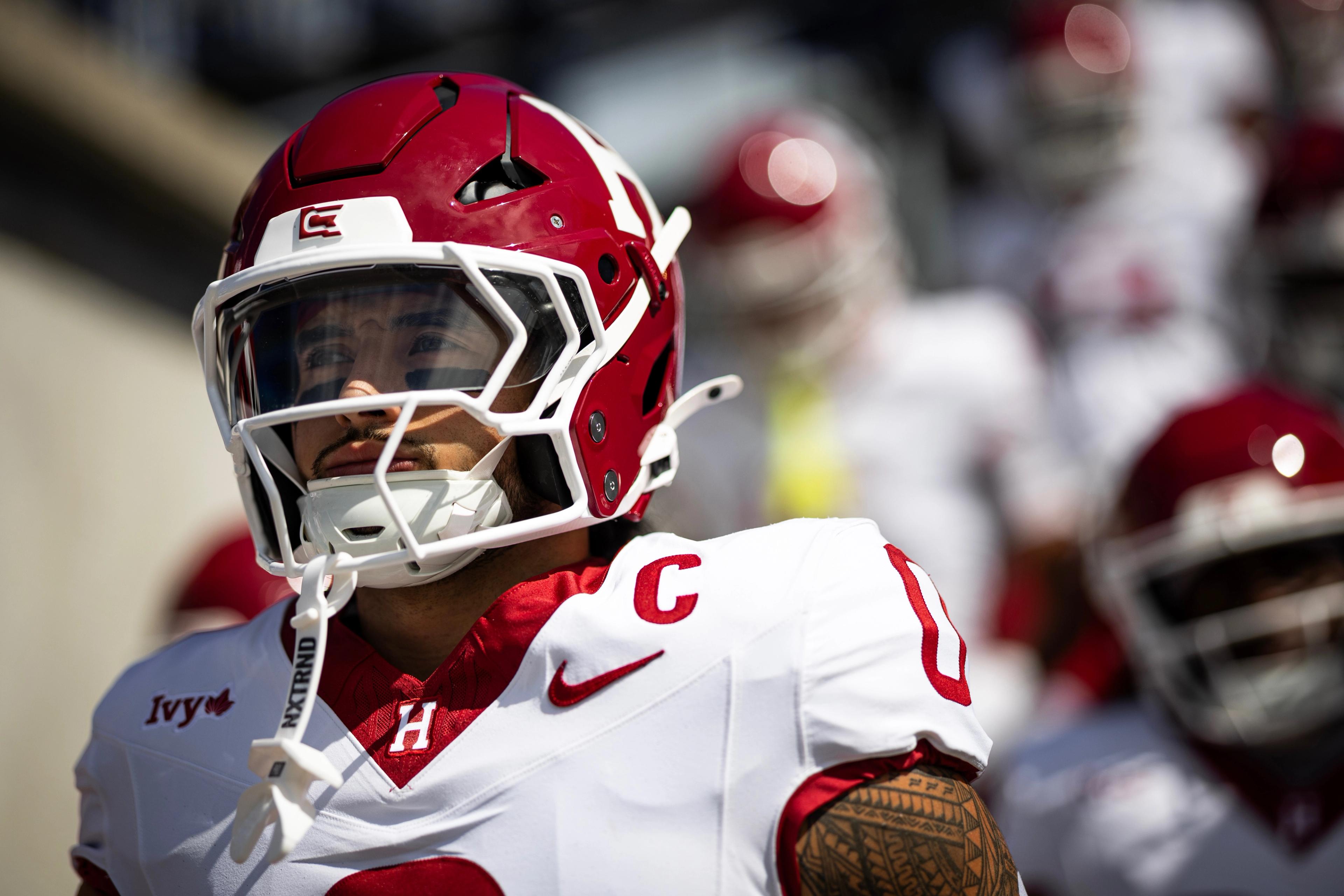
Xaviah Bascon ’23
Harvard football
Within the Swampscott High School community, Bascon found leadership role models who showed him the value of supporting others without seeking recognition. He also points to Exeter head football coach Panos Voulgaris, who welcomed him to the Academy for a postgrad year and created a sense of family that has stayed with him.
“I really try to give my teammates that family vibe,” Bascon says. “I want them to feel that they can approach me with anything they have going on, football or otherwise.”
Exeter challenged him to become more independent, he says, and to learn how to balance different parts of his life.
“Exeter definitely helped me learn what it meant to become an individual and a man,” Bascon says. “Balancing school, football, faith, relationships —Exeter was really the first place I had to navigate that on my own, and it definitely prepared me for my journey.”
As the lone Harvard football team captain — a tradition the program has held since 1946 — Bascon empowers his teammates to take active leadership roles.
“We have so many other guys on the team that are great leaders,” he says. “That’s allowed me to get more people involved. You go that much further as a team when you are playing for the man next to you.”
Football demands an enormous amount of preparation for relatively few opportunities to compete, Bascon says. Film sessions, lifting, practices, off-season workouts — that’s a lot of work for a 10-game schedule. Managing players through it all is a big part of his job as a captain.
“It’s all about having that next-play mentality,” Bascon says. “Through football you learn how important the process is to everything. Staying true to the commitment, being disciplined and remaining dedicated. When you carry that through life, you start to value everything that you put into it more than the actual product itself.” ●