A Gap Year
Medicine in the wild with Adele Mamedova '25
Summer 2026
In my senior year I received the Robert Wilson Kesler Scholarship, which supports an interim program of study or travel outside Exeter following graduation. I used the opportunity to explore rural medicine. I had shadowed physicians in major cities and private practices, but I wanted to understand how health care works in resource-limited settings — and to take a more active role rather than remain an observer. That search brought me to Lander, Wyoming, for a monthlong Wilderness Emergency Medical Technician course.
In September, I joined 30 people from all kinds of backgrounds. Some were ski patrollers or wilderness guides; one had left a software engineering job in Silicon Valley to pursue emergency medicine; another was a war veteran who kept us entertained with stories from his deployments. Despite our different paths, we all shared the same goal during the course and supported one another along the way. I met many great people — and I couldn’t help noticing that most of the men had mustaches. Maybe it’s a Mountain States thing.
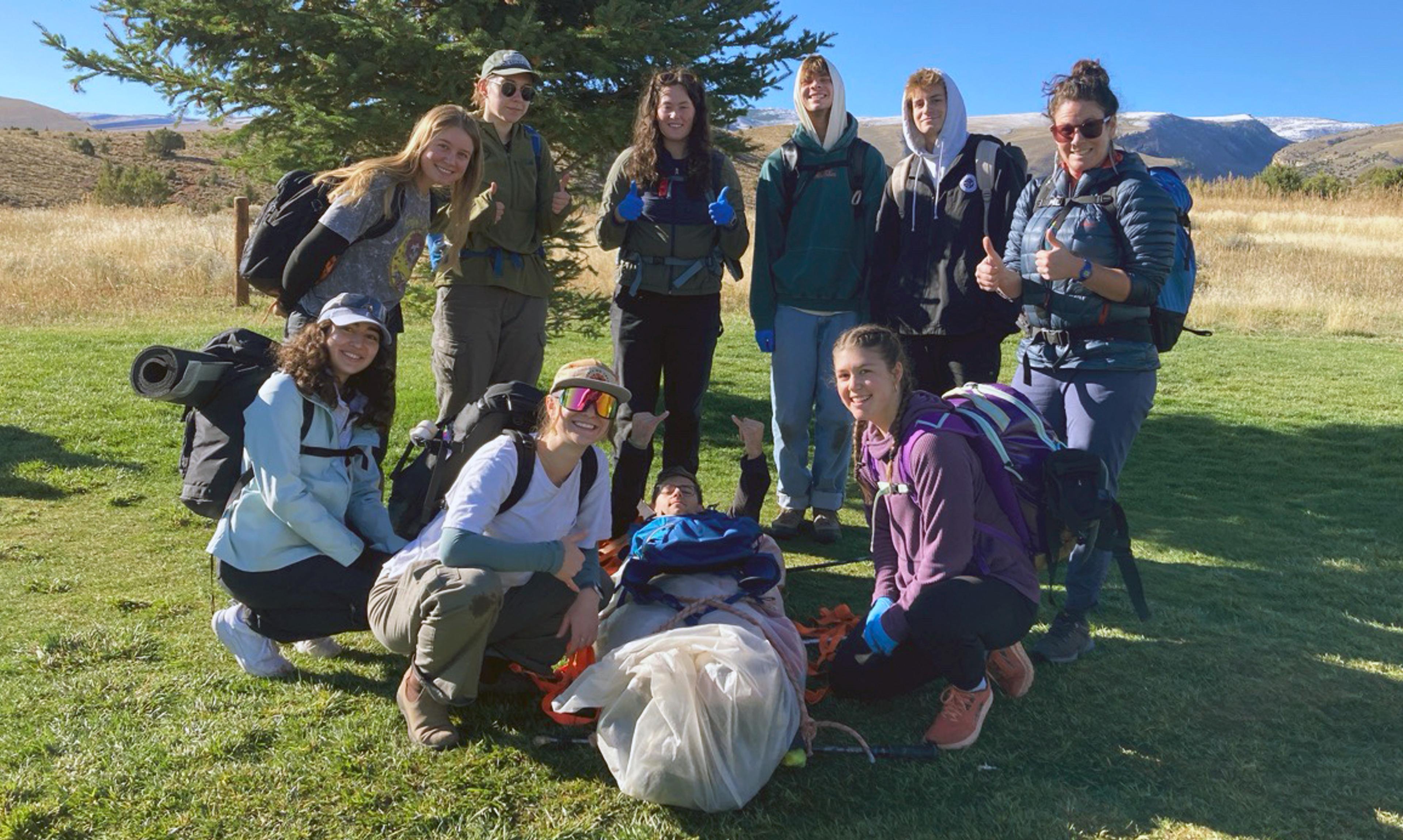
Class ran from 8 a.m. to 5 p.m., often followed by evening skills sessions or night scenarios after dinner. Each lesson mixed classroom instruction with outdoor application, and we had weekly quizzes. We practiced patient assessments kneeling in dirt and grass, used sleeping pads and spare clothing to improvise splints, and rehearsed the assessment sequence — scene size-up, primary survey, airway, breathing, circulation — until it became instinctive.
The curriculum focused on emergencies common in wilderness and rural settings: fractures, hypothermia, altitude illness, allergic reactions and spinal injuries. It placed a strong emphasis on decision-making — when to evacuate immediately versus when to monitor and wait. In the backcountry, when no ambulance or hospital is minutes away, judgment matters as much as technical skill.
The most exciting parts of the course were the longer simulations. In each scenario, some of us played the victims while the rest were the EMTs. When we were patients, we used moulage to make injuries look realistic, and some of my classmates were excellent actors.
In one scenario, we responded to a simulated multiple-casualty car crash, where I helped treat a patient with an open forearm fracture. In another, I was the victim in a vehicle extraction, pulled onto a backboard and given an emergency oxygen mask. During a long hiking scenario, our team had to improvise a stretcher using only what we carried in our packs, stabilize a patient with a broken leg, and carry him about a mile up a hill and through a river. As we finally sat down for lunch, a surprise allergic reaction scenario began.
One of my favorites was a night scenario. We worked in groups of five, but three of us had been designated secret patients who knew only our individual roles. While I was preparing to collapse and add fake blood to my forehead, another teammate suddenly faked a fall and a broken arm. Once we stabilized him, I played my role and passed out. When everyone thought the scenario was over, the third secret patient fainted. While he recovered after treatment, I remained unconscious and had to be protected from hypothermia. All of this unfolded in darkness in the foothills, with only our headlamps to guide us. The instructors always had surprises waiting. It was the best way to re-create the unpredictability of the real world and force us to think on our feet.
“I had shadowed physicians in major cities and private practices, but I wanted to understand how health care works in resource-limited settings — and to take a more active role rather than remain an observer.”
The course also included clinical shifts in a small emergency department serving a town on the Wind River Indian Reservation. Sometimes it was quiet. We spoke with patients and cleaned rooms after discharges. We also practiced writing SOAP notes (Subjective, Objective, Assessment, Plan), the documentation tools used to record patient visits. But emergency departments can transform in an instant.
One evening, parents rushed in carrying their 10-month-old son after he had fallen down 24 steps. A monitor screamed with a heart rate of 220 as the team began treatment, and my partner and I were asked to take the mother aside and help calm her. It was the hardest task I had been given. When her husband finally led her away, I stepped into the hallway and cried.
A CT scan revealed intracranial bleeding, and five hours later the infant was airlifted to Salt Lake City, Utah, for neurosurgery. That was the last I heard. In emergency medicine, you rarely learn the ending — you stabilize the patient, send them on and move to the next crisis.
At the end of the course, I passed the written and practical exams, which included a trauma assessment with spinal immobilization and backboarding, a medical assessment, and traction splinting for a femur fracture. Two days later, I passed the National Registry of Emergency Medical Technicians exam and am now a licensed EMT in my home state, Minnesota, and Wisconsin.
This experience showed me how medicine works far from the resources of a large hospital: on a trail, in the dark, with a headlamp and a backpack. It gave me a glimpse into a world of care that is challenging and remarkably resourceful, and I’m grateful to have been part of it.
What is the Robert Wilson Kesler Scholarship?
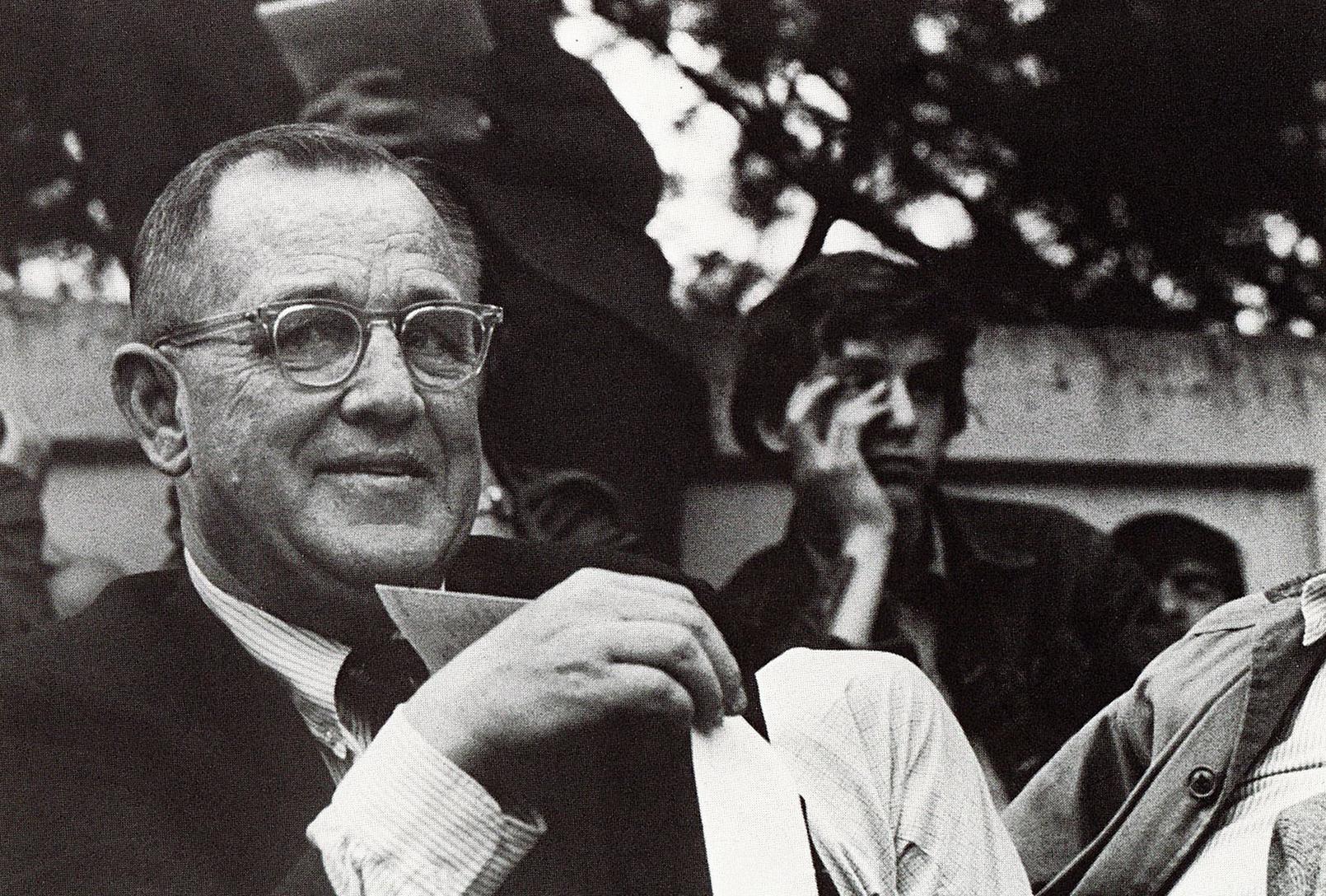
Each spring, the faculty awards the Robert Wilson Kesler Scholarship to a member of the graduating class “proposing an interim program of study or travel outside of Exeter, whether in this country or abroad.”
In addition to teaching German and English, Kesler served as dean, chair of the Executive Committee of the Faculty, vice principal and lacrosse coach during his 40-year career at the Academy.
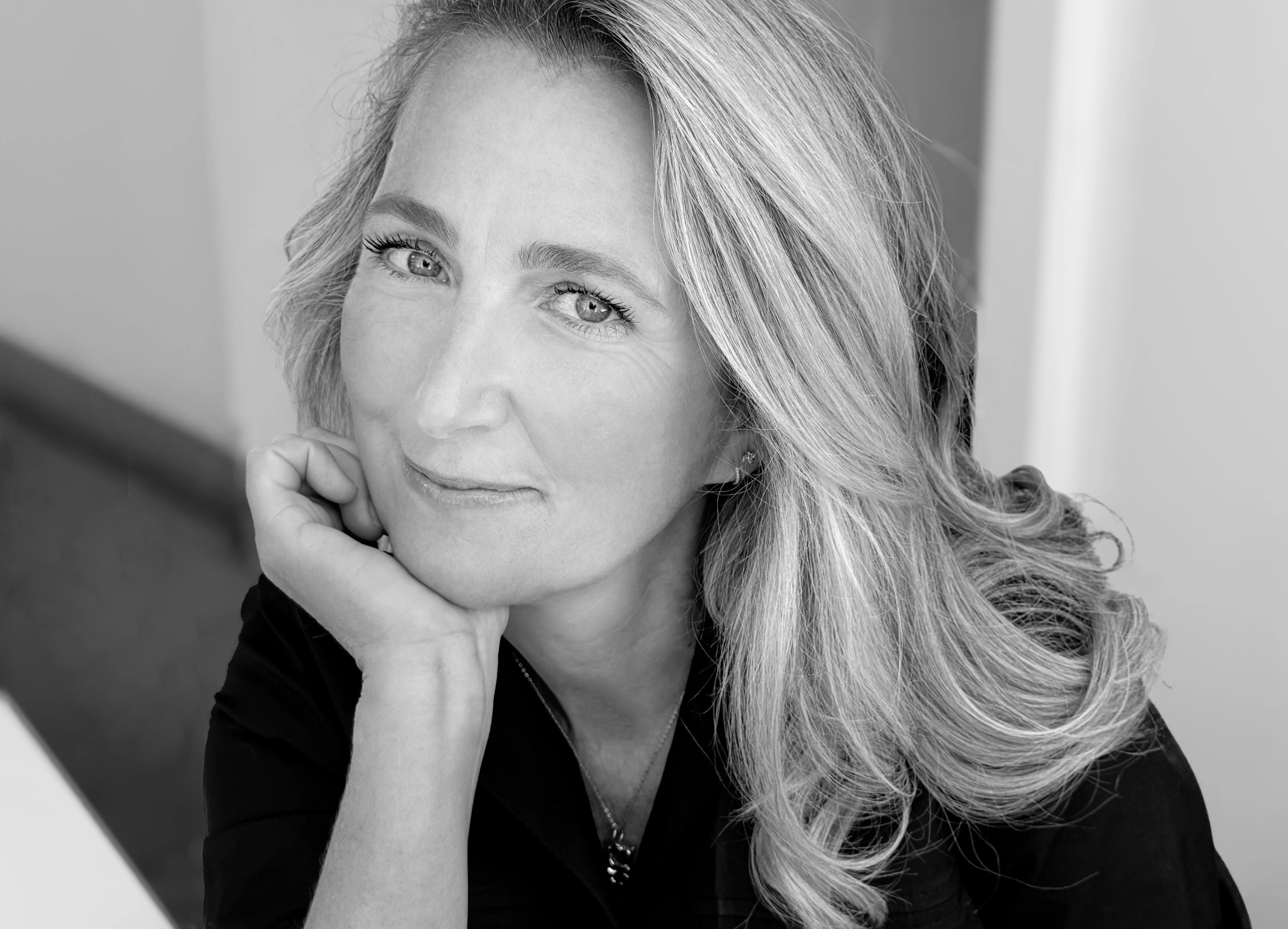
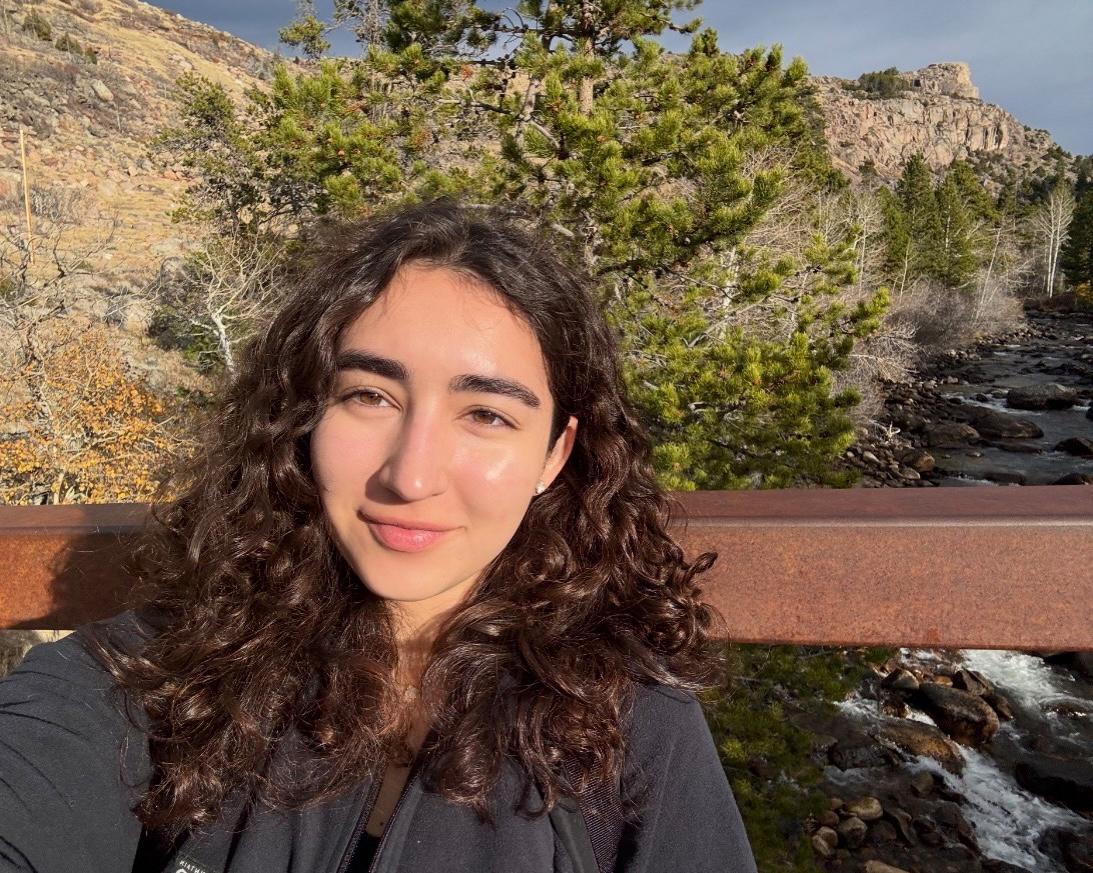
Adele Mamedova ’25 is spending a gap year exploring rural medicine. She plans to begin studies in neuroscience in the fall semester at Bowdoin College and to pursue a career in health care.