Finding Her Voice
A conversation with author and lawyer Belle Burden ’87
By Debbie Kane
Summer 2026
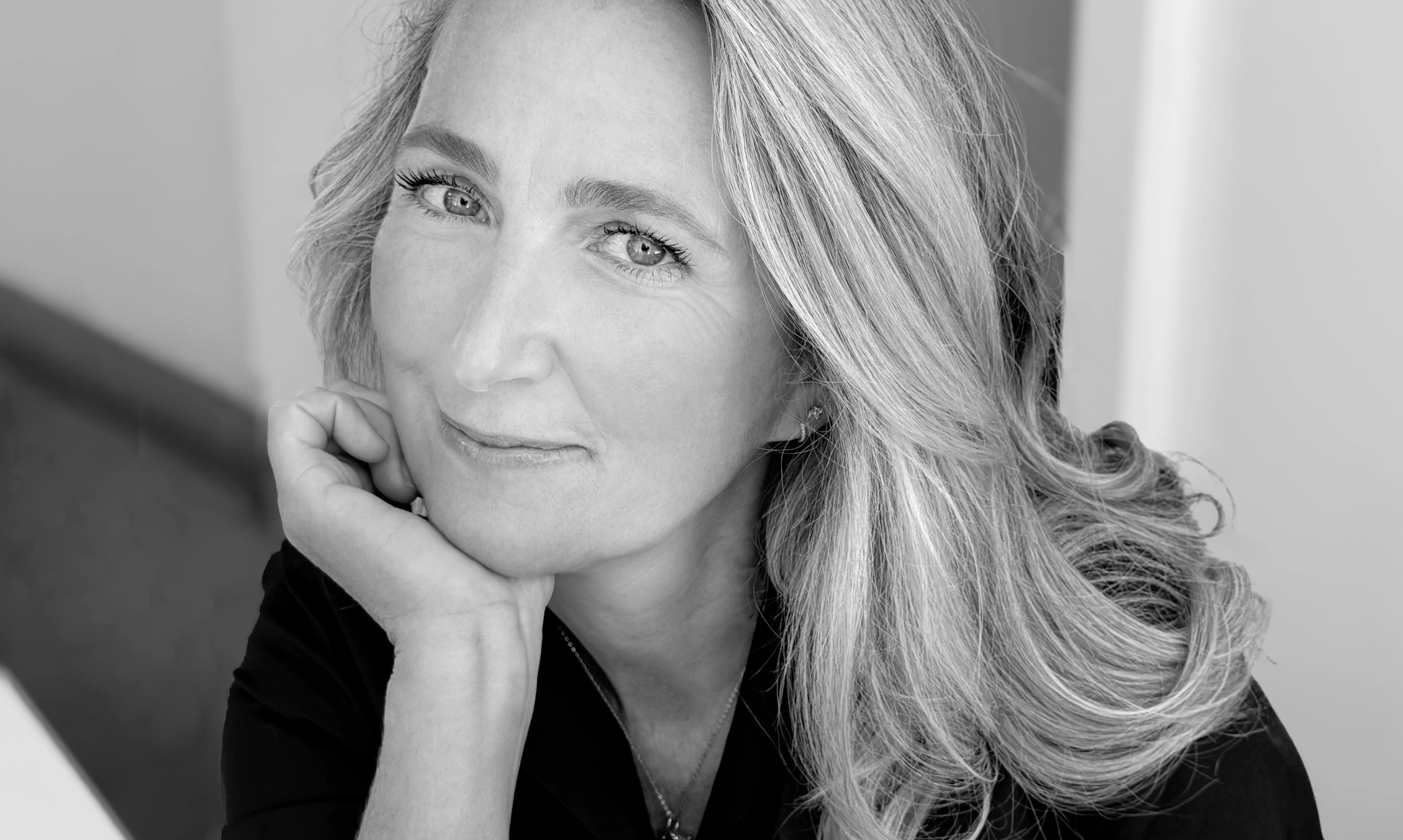
When her husband unexpectedly walked away from their 20-year marriage early in the COVID19 pandemic, Belle Burden ’87 was devastated. Her seemingly caring, attentive husband was having an affair and didn’t want to be married anymore. He did not want custody of their three children and gave no reason for ending their outwardly idyllic marriage.
As she processed the loss of her relationship and came to terms with raising their teenage children alone, Burden started writing down what she knew about her marriage and former partner. She wrote an essay for The New York Times’ Modern Love column, which resonated with readers and jolted her social circle. After she was contacted by two editors, a friend said, “This is great but you’re done, right? You’re not going to write a book.”
But Burden did. Her best-selling memoir, Strangers: A Memoir of Marriage, was published in January and is widely praised in mainstream media and online for its honest, spare portrayal of divorce. Elegantly written, the book examines Burden’s marriage and her own family history of divorce; she abandons her initial reserve to speak openly about her personal pain, naivete about her relationship, and desire to be seen after her marriage ended.
An immigration rights lawyer, Burden was an Exeter trustee from 2006-16. We spoke recently with her about writing Strangers and how it rekindled her love of writing, a skill nurtured at Exeter.
What was your purpose in writing this memoir?
I wanted to record what happened at the end of my marriage. When my husband suggested that we tell people our divorce was amicable, I knew I couldn’t lie about that; my only way through was to be open and honest. I had to own my story in a clear way that wasn’t vindictive.
I didn’t write the book with the intention of teaching readers anything, but I did write with the intention of reaching others who might be going through a similar experience or suffering like I did.
The book really seems to have struck a chord.
Part of the response is that ineffable thing when you meet the culture at the right moment. There are women and men who’ve reached out to me who’ve been through similar experiences. People see themselves in my story, even though mine may have had more drama.
The book wasn’t anticipated to be a bestseller; it initially had a small print run, and my book tour only had three stops. It wasn’t selected for book clubs like Oprah’s Book Club or Read with Jenna. There was some concern that readers would be unsatisfied that there’s no definitive reason for why my husband left. He never said why and I never figured it out. That uncertainty resonates with people. Often we’re left with no answers, whether it’s the end of a marriage or a friendship. Something unpredictable happens and there’s an existential peace you must make with not knowing. The book has a life of its own now, and I’m following along behind it.
“Nature can be so reassuring when you’re going through something hard; the predictable cycles of birth and rebirth, especially in the spring. It gave me a sense of moving forward.”
What was most difficult for you writing about this part of your life?
Keeping equilibrium. It was easy to turn the story into building a case against my ex. When I first started writing the book, my agent’s advice was that the best memoirs are compassionate about the villain and complicate the victim. I also knew my children would read it, so I wanted to present the whole of my husband as I knew him.
Writing about my childhood and my mother’s house was also very hard. I wasn’t neglected, but I was lonely and I wanted to write about the experience in a way that wouldn’t hurt my mother and celebrated what’s great about her. A friend advised me to write freely, without fear, think about no one reading it, and then worry (about people’s reactions) later. That was helpful.
A nesting family of ospreys are a narrative thread throughout your book. What made you use them as a literary device?
As everything was happening in my personal life during the pandemic, the ospreys were there (near my home on Martha’s Vineyard). There were three chicks who were fledging and learning how to catch fish; I have three kids who were teens at the time and approaching adulthood. I watched the male osprey fish for his family as my husband left. The metaphor was there with me daily when my family was breaking apart.
I wrote an essay about the osprey family after I wrote the piece for Modern Love. Nature can be so reassuring when you’re going through something hard; the predictable cycles of birth and rebirth, especially in the spring. It gave me a sense of moving forward. I decided to break up the essay and use it as a framing device in the book.
How did your experience at Exeter shape your writing?
I was very, very shy. I came to Exeter as a lower. I was in David Weber’s English class, and he assigned a creative short story to write; I wrote about my grandmother. He told me to submit it for a writing prize and worked with me on shaping it. I think he saw that as a way to reach me. I won first prize. It was a defining moment for me because I really liked writing, and now I believed I could do it.
Senior year I took a writing class with Jim Valhouli, and it was filled with extraordinary writers. We workshopped each other’s pieces throughout the year. I won a prize that year too. When I went to college, I thought I was going to be a writer.
What changed your mind?
My freshman year of college, I was one of only two freshmen in a selective creative writing seminar. When I submitted my first short story, a senior in the class told me I didn’t have talent. I’m sure he forgot his comment as soon as he left class, yet I internalized it and it changed the trajectory of my life. I got through the class, but I stopped writing. I didn’t write again — other than legal briefs — until I wrote the Modern Love essay. People ask me now if he has read my book. I have no idea!
What are you writing now?
I haven’t had much time to write since my book was published. I started on a fiction piece before Strangers was published, but nothing formal. I don't want to write another memoir. I have very active immigration cases right now and they do involve telling stories, in some ways, about people’s lives.
Is there anything else about your experience at Exeter you want to mention?
Exeter was central to my identity and friendships. I also had the privilege of being a trustee for 10 years, which was an incredible experience. My classroom experience really represents, to me, how Exeter teachers consider each student individually. Harkness is a very supportive atmosphere, especially for shy students, because there is silence and room to talk. It was the happiest time for me.